TSE Agrivoltaics: Excellent 2026 Agronomic Results
.webp)
Key data from the Chadeleuf agrivoltaic demonstration site: yield equivalent to the control zone, improved grain quality
- 96% of the control zone yield (between -4% and -10% yield depending on the management strategy used).
- Improved quality of the barley with a 3% increase in specific grain weight.
- -20% evapotranspiration over the entire season.
- -4.1°C at the hottest time of the day and -2.15mm/day of evapotranspiration during heatwaves.
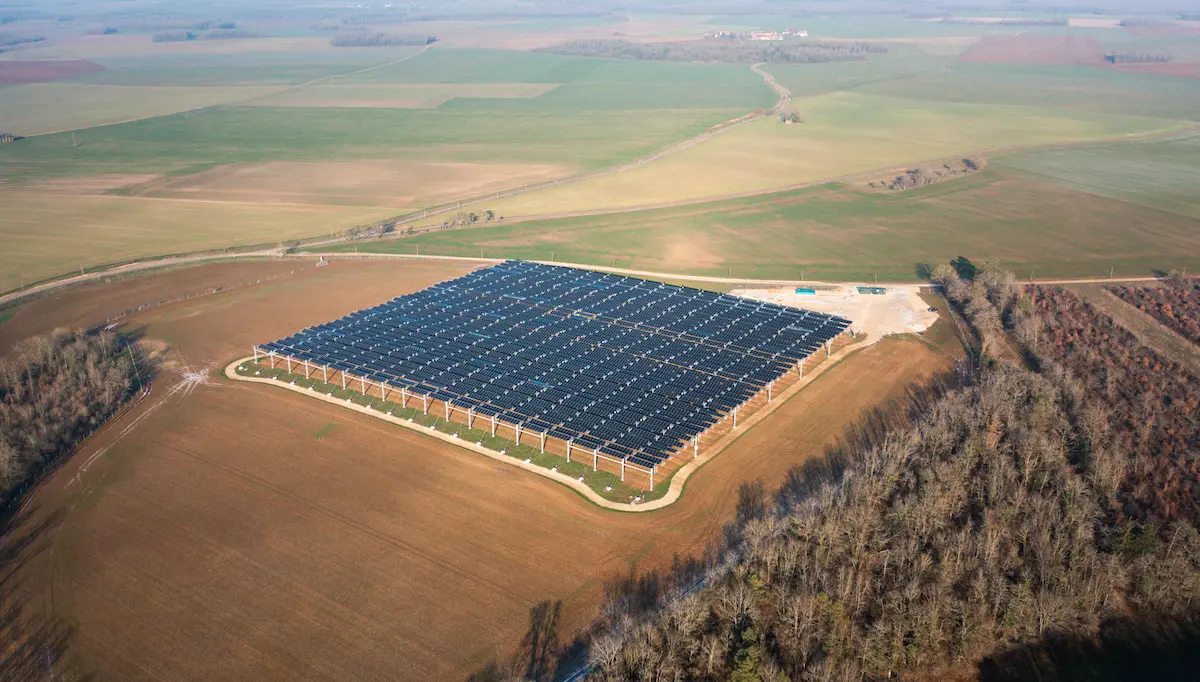
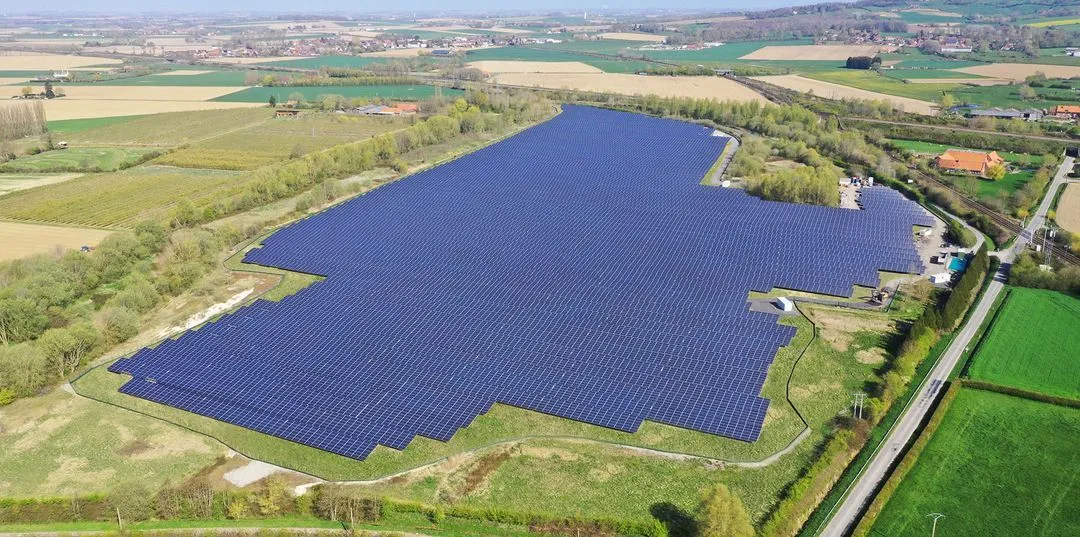
- Green electricity supplied by the demonstration site of 0.76ha: 364MWh/year, equivalent to the annual consumption of 160 households.
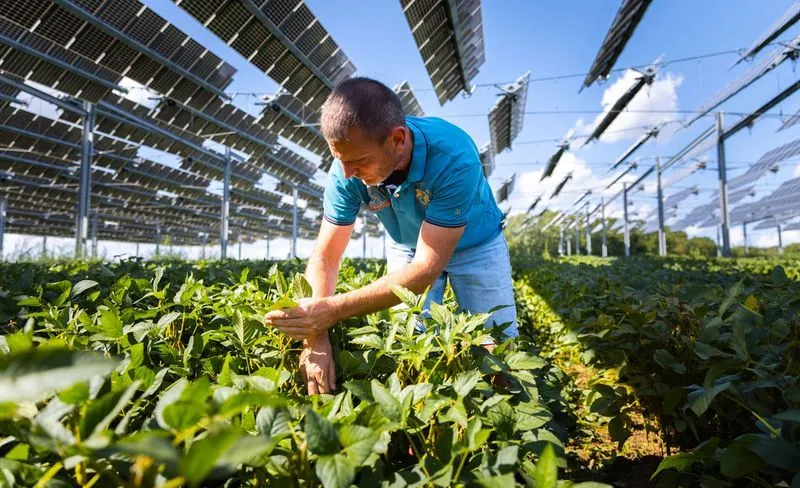
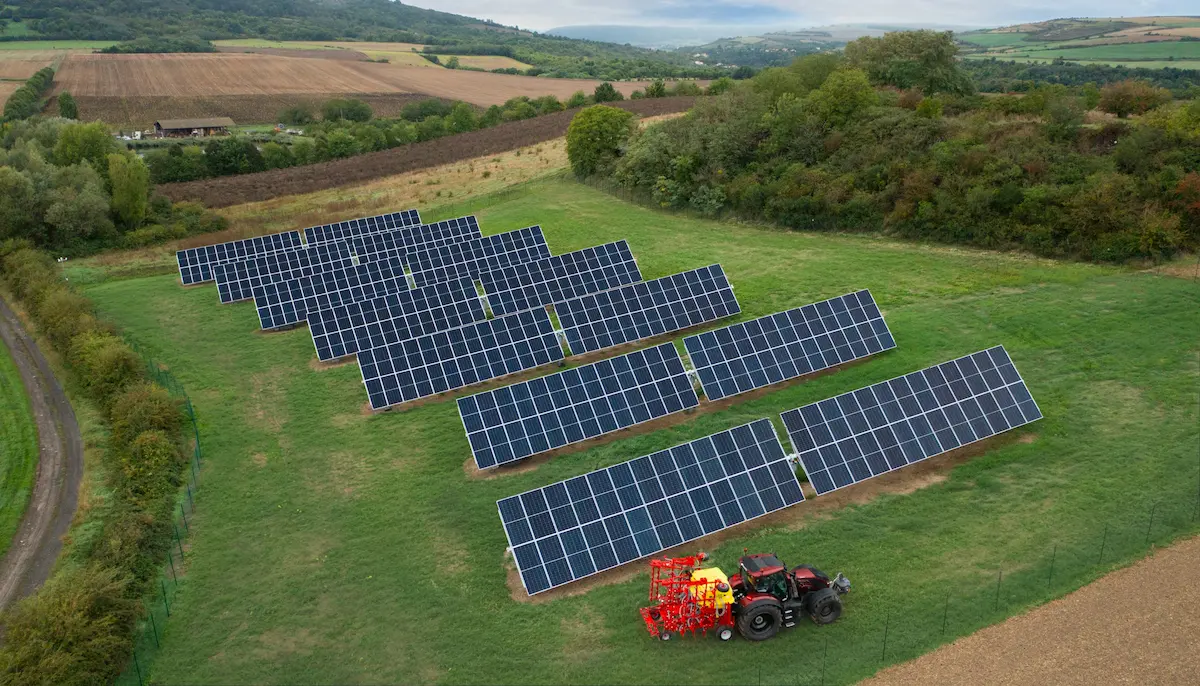
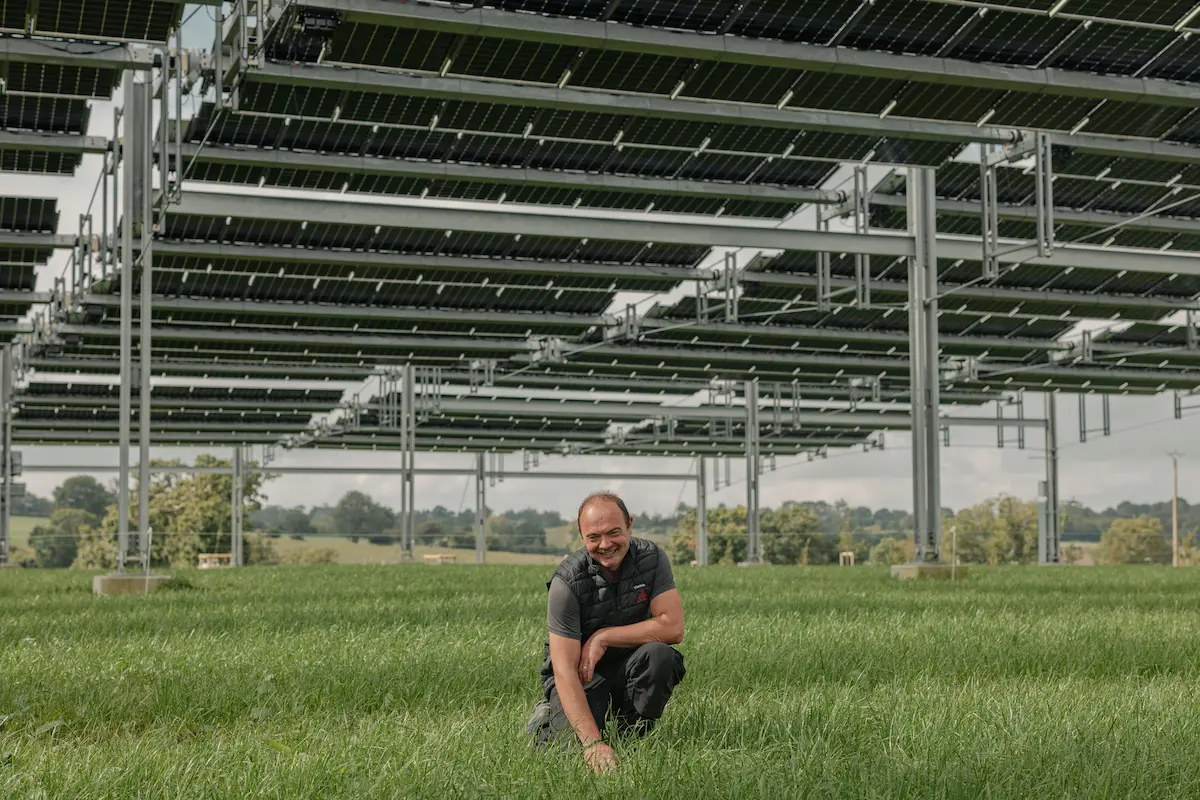
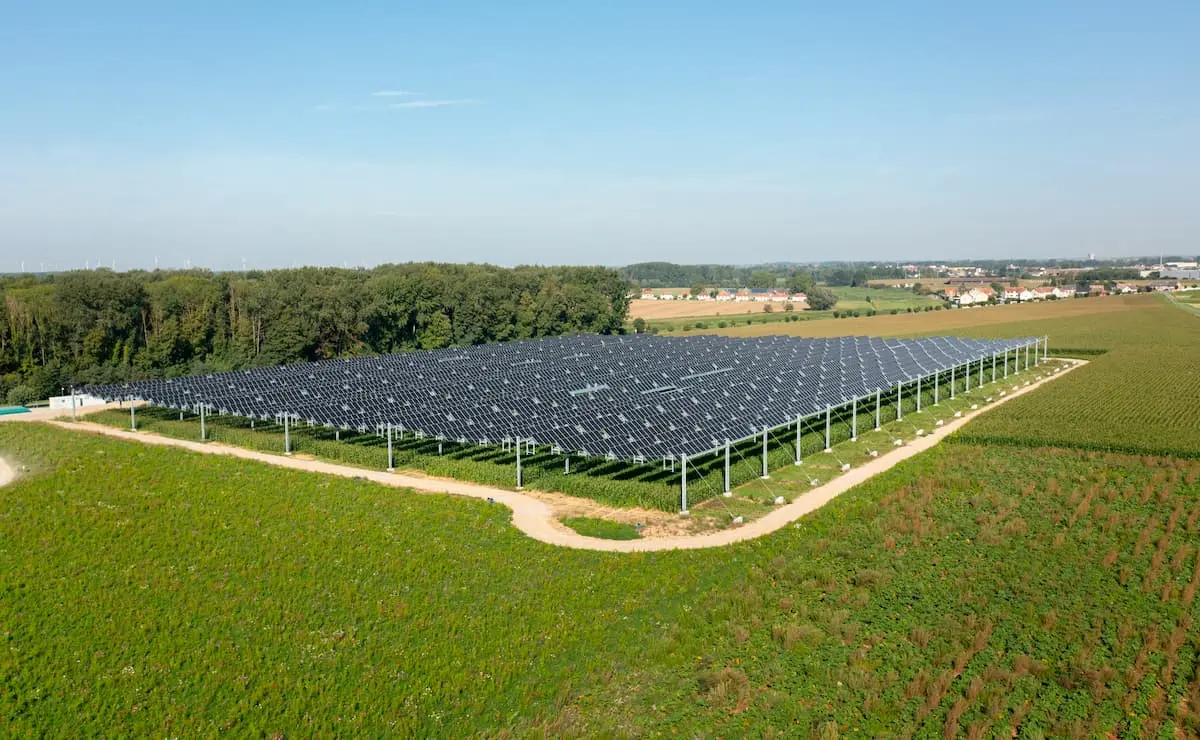
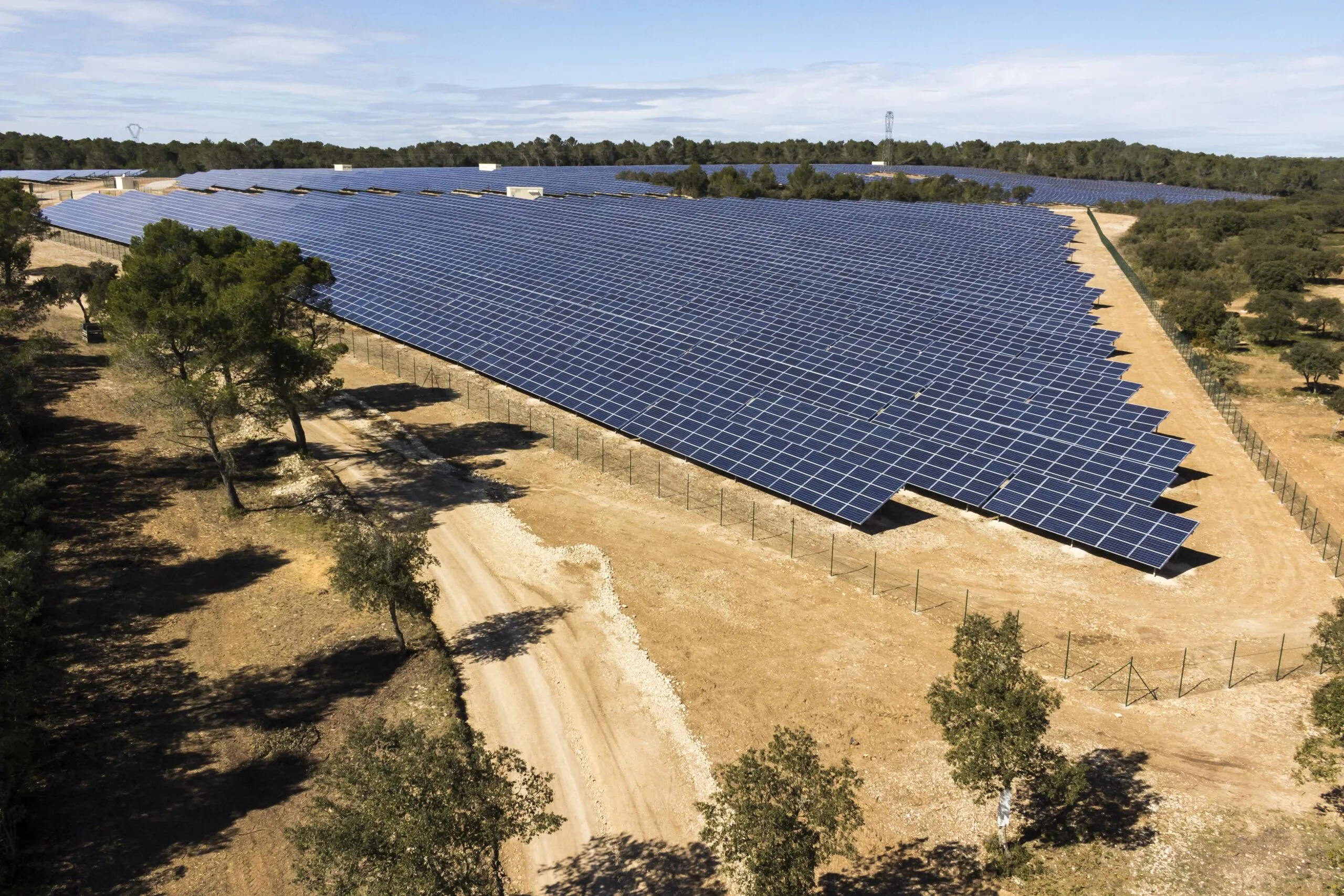
September 17, 2026 – TSE, a leader in agrivoltaics in France, publishes the 2026 results of the agronomic monitoring conducted on its crop canopy in Chadeleuf, in the Puy-de-Dôme region. After a year of operation managed by farmer Hervé Malgat, the harvest was carried out by Antédis, and the agronomic monitoring was performed by the Puy-de-Dôme Chamber of Agriculture and the CETA of Limagne to validate the findings and ensure indisputable results.
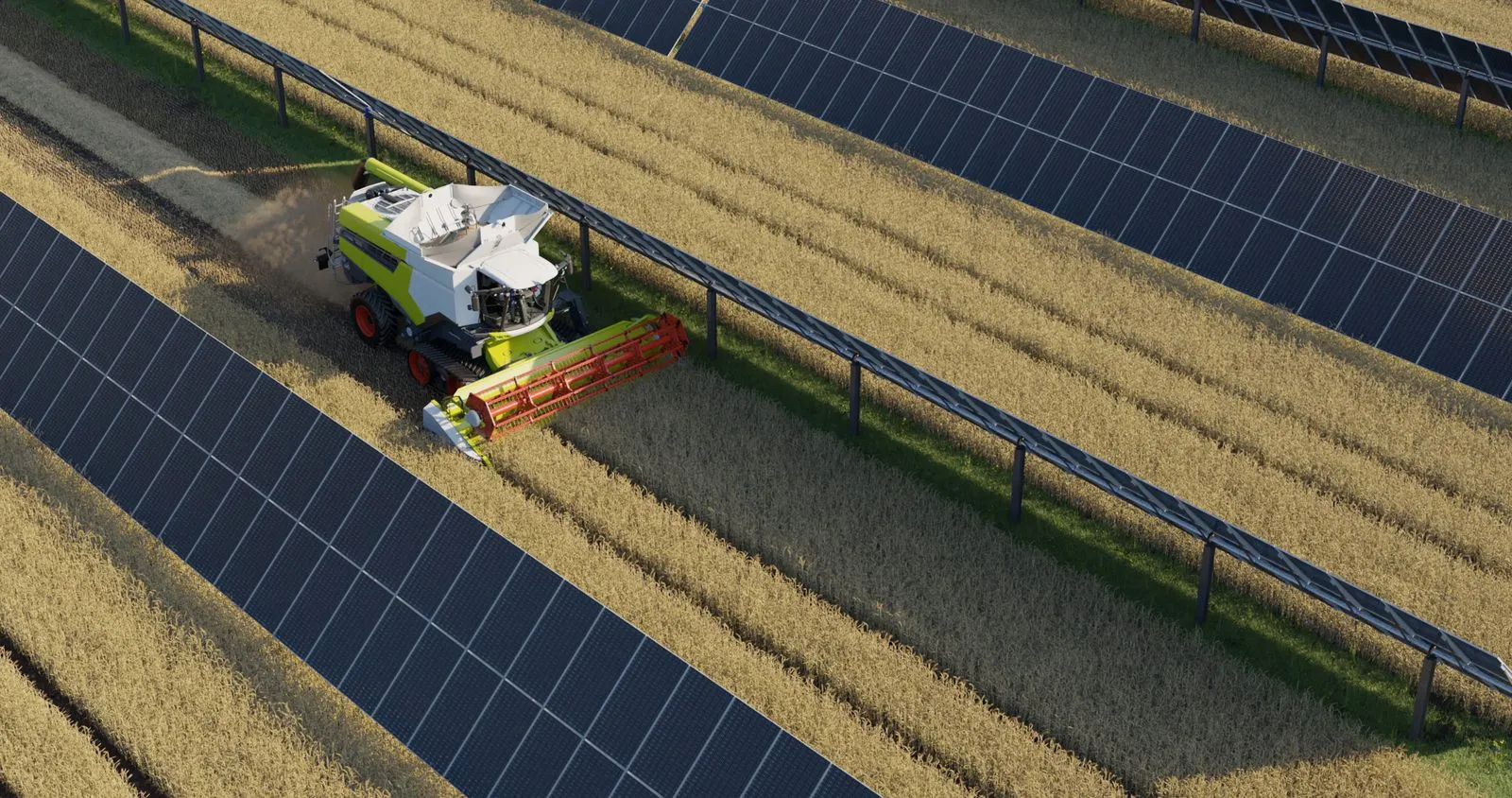
This field crop site hosted winter forage barley this year, which was harvested at the end of June. In a context marked by particularly high temperatures starting in May, these results highlight the protective effect of agrivoltaics. They also demonstrate the ability of agronomic management to preserve both yield and harvest quality.
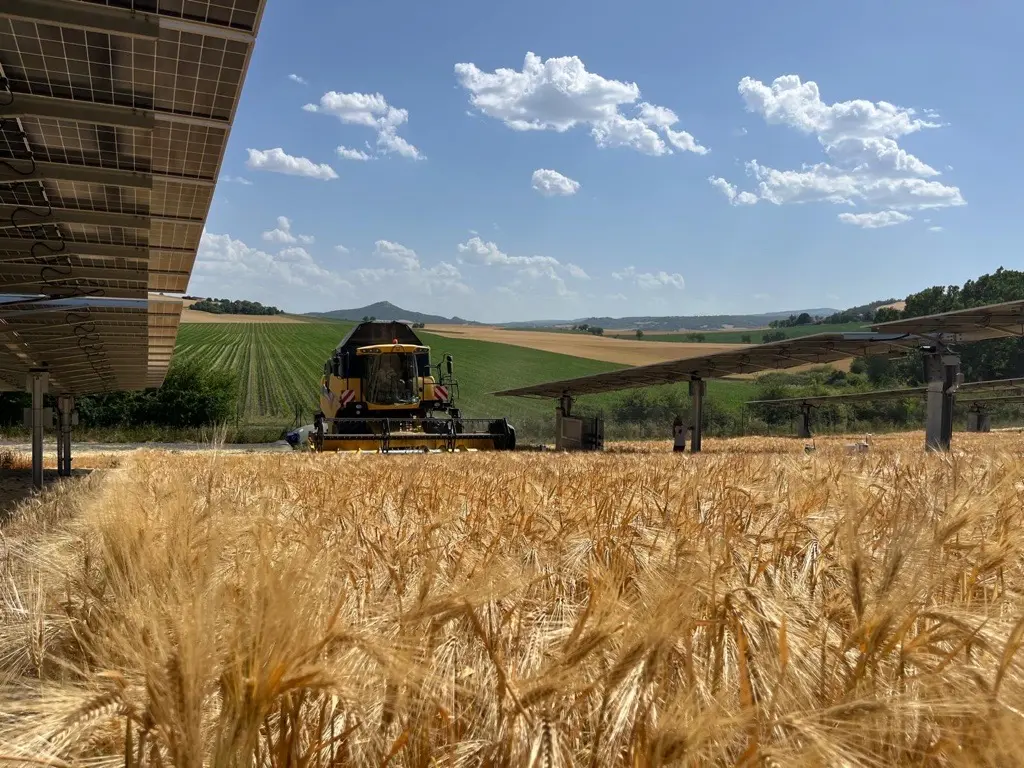
Annual yield comparable to the control area, with improved quality
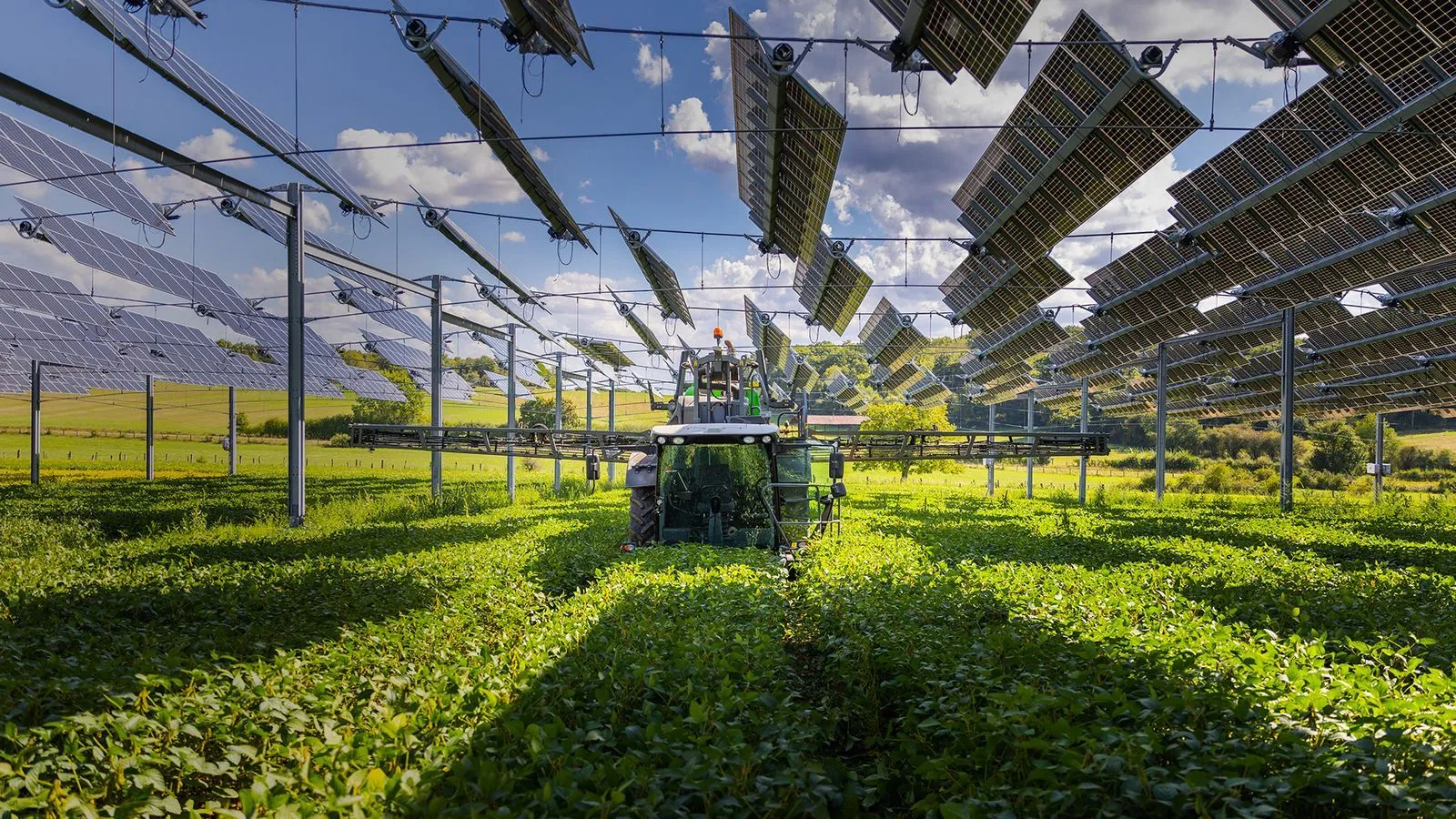
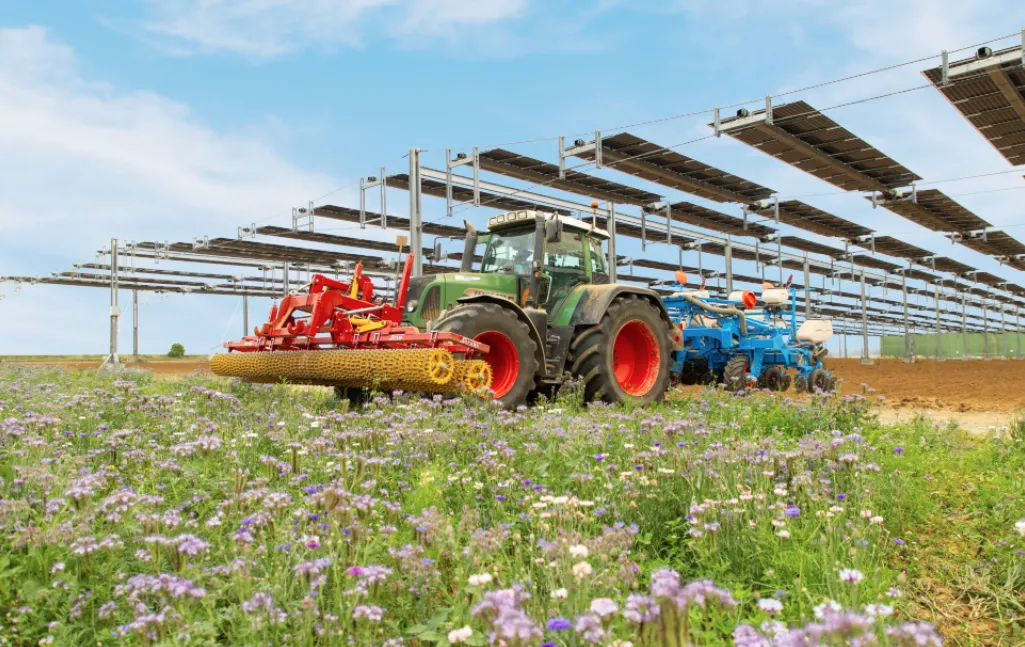
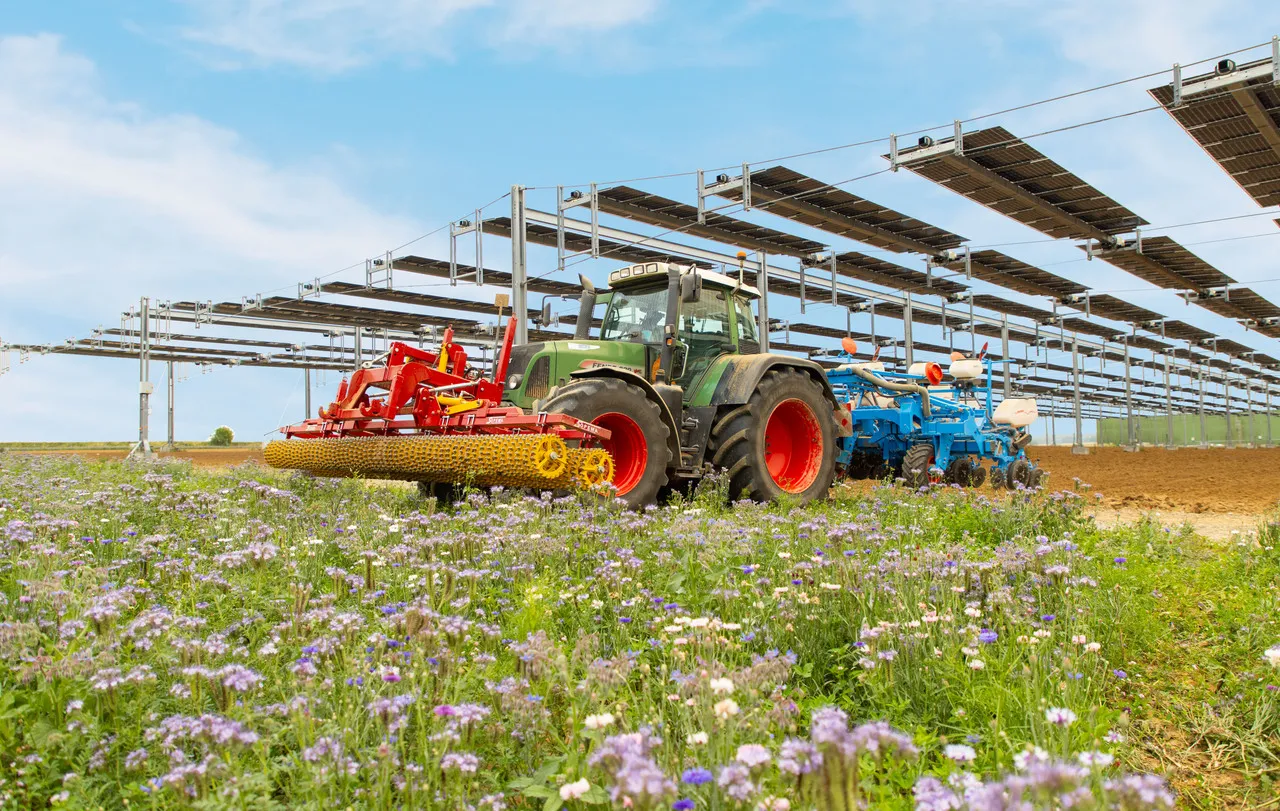
The Chadeleuf site allows for a comparison of results against a control area without solar panels. The system alternates between solar production phases and agronomic management phases using two methodologies. The first involves management at a few key stages of plant development ("Engagé" management according to ADEME's Palier nomenclature), while the second uses more frequent alternation between solar and agronomic management ("Robuste" management according to ADEME's Palier nomenclature).
With this "Robuste" management, the plot's yield reaches 96% of that observed in the control area. Even better, thanks to reduced thermal stress under the canopy, grain quality improved by +3% in specific weight compared to the control area.
With "Engagé" management, the plot's yield reaches 90% of the control area with improved grain quality. In all scenarios, the requirements of the April 8, 2024 decree regarding the development of agrivoltaics are met.
Frédéric Imbert, Director of Agronomy R&D at TSE, explains:
"These results demonstrate that agrivoltaics can fulfill its purpose: sharing light between agricultural production and electricity generation, even in the context of significant water stress. The experiment conducted at Chadeleuf confirms that precise and methodical management allows for optimal results for both PV and crops; we must continue to further optimize these results, which is exactly the goal of the experimental program TSE is investing in."
The canopy does more than provide shade: it buffers extremes
Management helps regulate the plot's agroclimatic conditions and improve the water balance. Throughout the season, evapotranspiration decreased by 20% allowing for better water management.
The protective effect is most pronounced during heatwaves, and air temperature at crop level dropped by 4.1°C during the hottest part of the day. Evapotranspiration was reduced by 2.15 mm per day during these episodes.
Conversely, the coldest nights are up to 3°C warmer, thereby reducing the daily temperature range by approximately 1.5°C on average over the year under the Brouchy agricultural canopy (2025 and 2026). Similar effects are also observed under the Chadeleuf shade structure in 2026.
Hervé Malgat, a farmer in Chadeleuf, states:
"I am very satisfied with this first year, both in terms of co-activity and the results, as well as our relationship with the company TSE. Given the first-year results, agrivoltaics seems to be a solution for the future."
Results measured and compared against local benchmarks
The Chadeleuf site is equipped with 18 radiation sensors, 14 weather stations, and 14 probes measuring soil temperature and humidity. The harvest was carried out by Antédis using an experimental combine harvester. The results were also put into perspective with local benchmarks from the Puy-de-Dôme Chamber of Agriculture and the CETA of Limagne. The specific weight is significantly higher than the control group under the shade structure and above the average for the Auvergne region.
In Souleuvre-en-Bocage, cattle spend more time at pasture
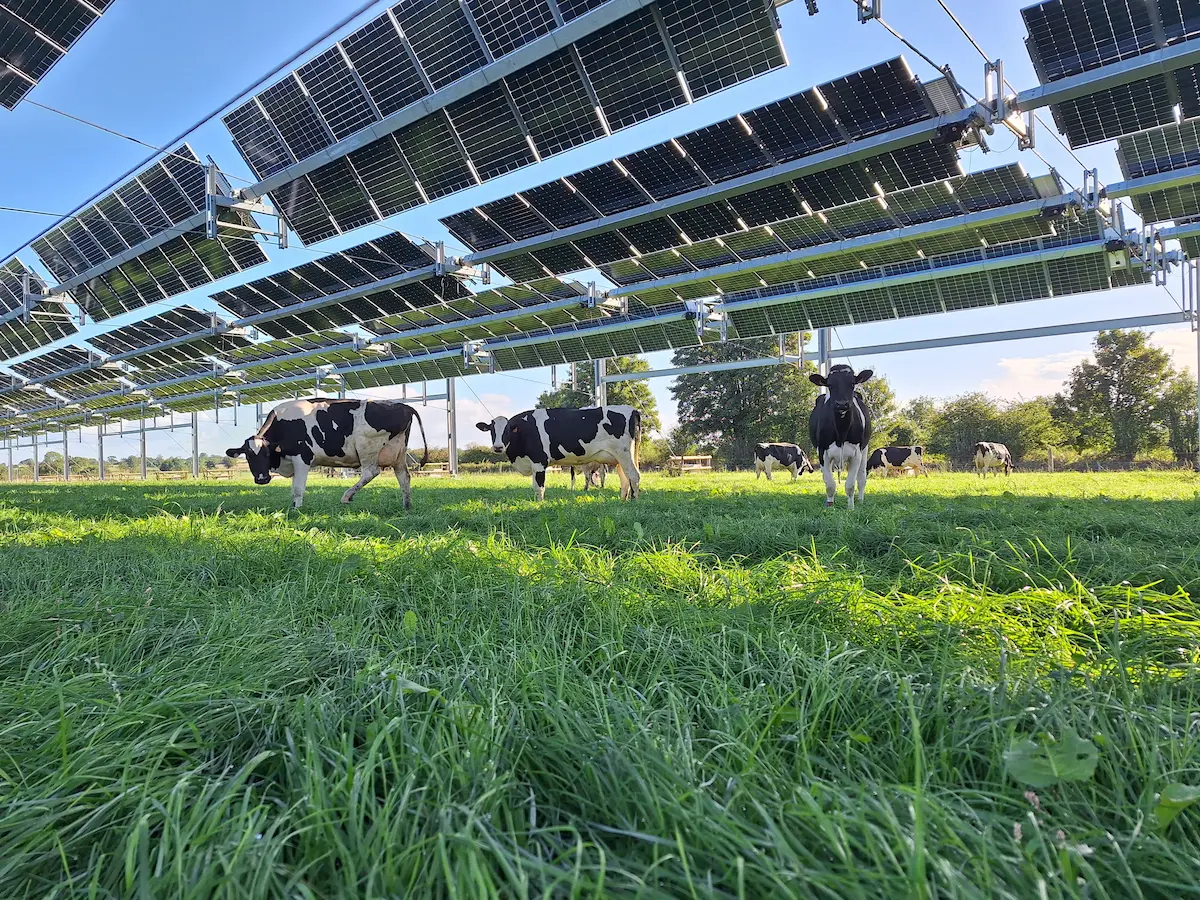
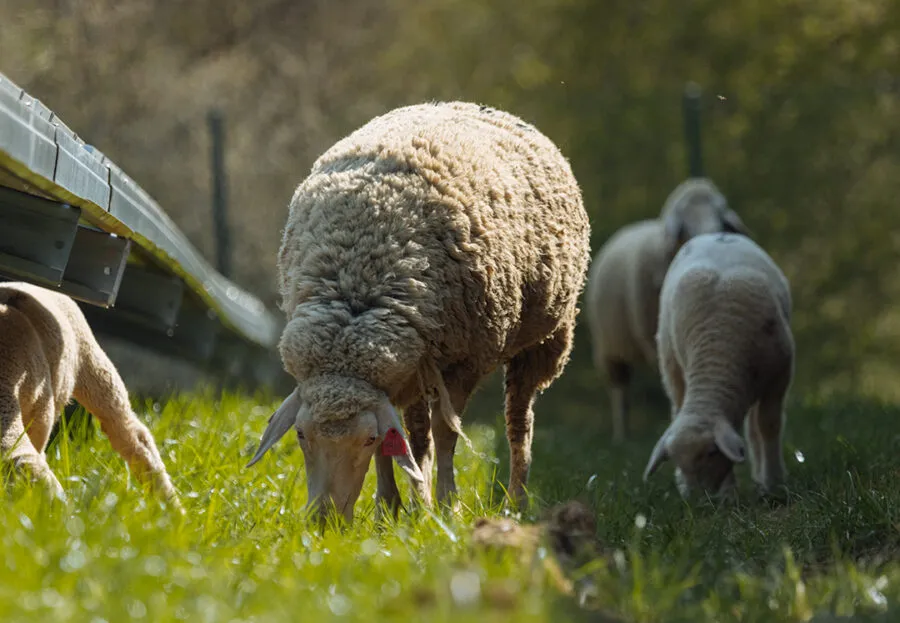
Under the Souleuvre-en-Bocage canopy (Calvados), in July 2026, the control meadow proved completely unproductive and dried out, while the one protected by the agricultural canopy continued to produce and remained green until the end of August. From the first heatwaves in May, the cows showed signs of stress in the control zone, while they remained calmly lying down under the agricultural canopy.
During hot weather, the cows in the control zone, which has no shade, return to the barn as early as 9:30 a.m. Those benefiting from the shade of the canopy remain in the pasture until their usual return time (12:00 p.m.).
Yoann Bizet, farmer, reports:
"We noticed that once temperatures exceed 20 degrees, the control herd waits right at the gate to go back into the barn, unlike the herd under the shade structure, which suffers much less from the heat."
As a reminder, the forage harvested under the agricultural canopy in Souleuvre-en-Bocage in 2025 showed very good overall nutritional quality, with a protein content 15 to 47% higher than that of the control (a variance that depends on the season). The final results for the 2026 forage will be published in October, as they are every year.
Mathieu Debonnet, President of TSE :
" The agronomic monitoring results from our agrivoltaic demonstration sites are excellent. They are the result of significant investment in technological and agronomic R&D and the quality of the work done by the farmers alongside our teams. TSE's agrivoltaics work! Furthermore, I would also like to highlight that we have successfully aligned ourselves with the objectives of the APER law, thereby meeting both the requirements of the State and the needs of the agricultural sector ."
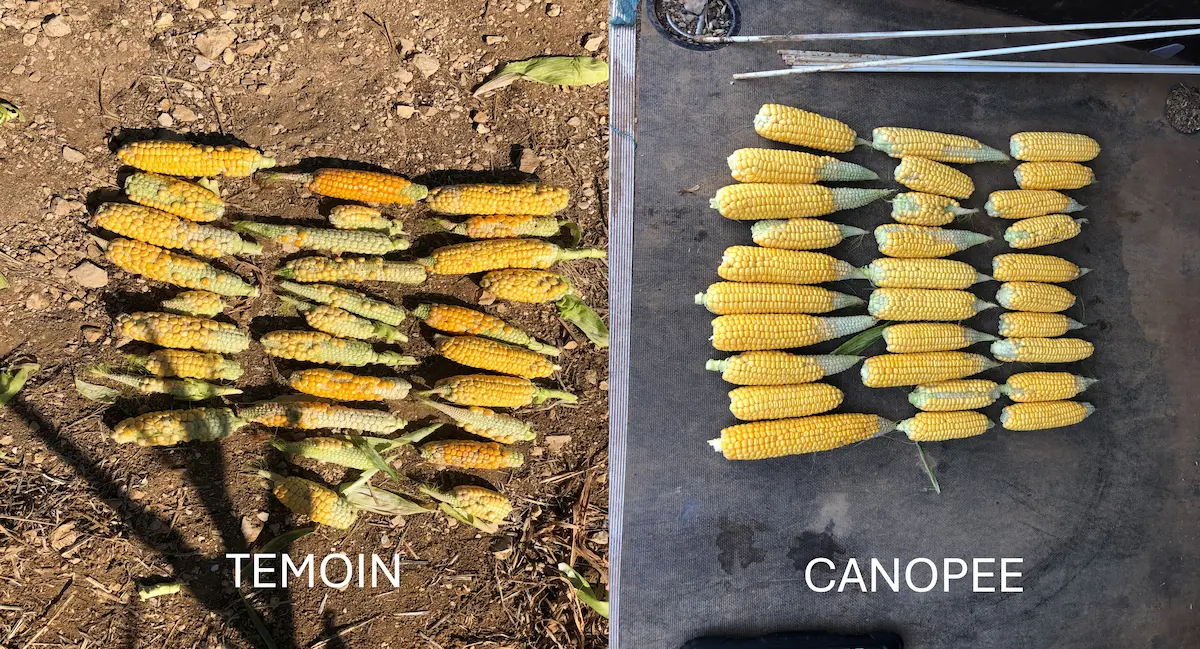
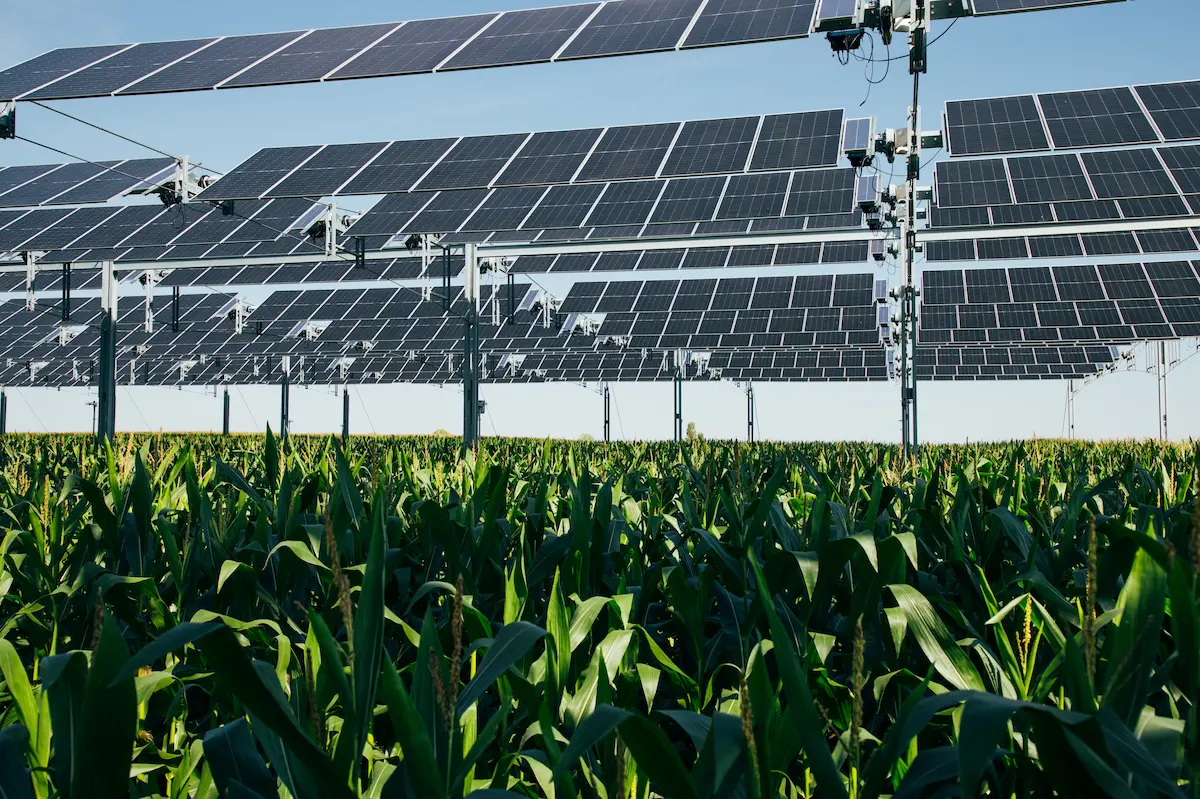
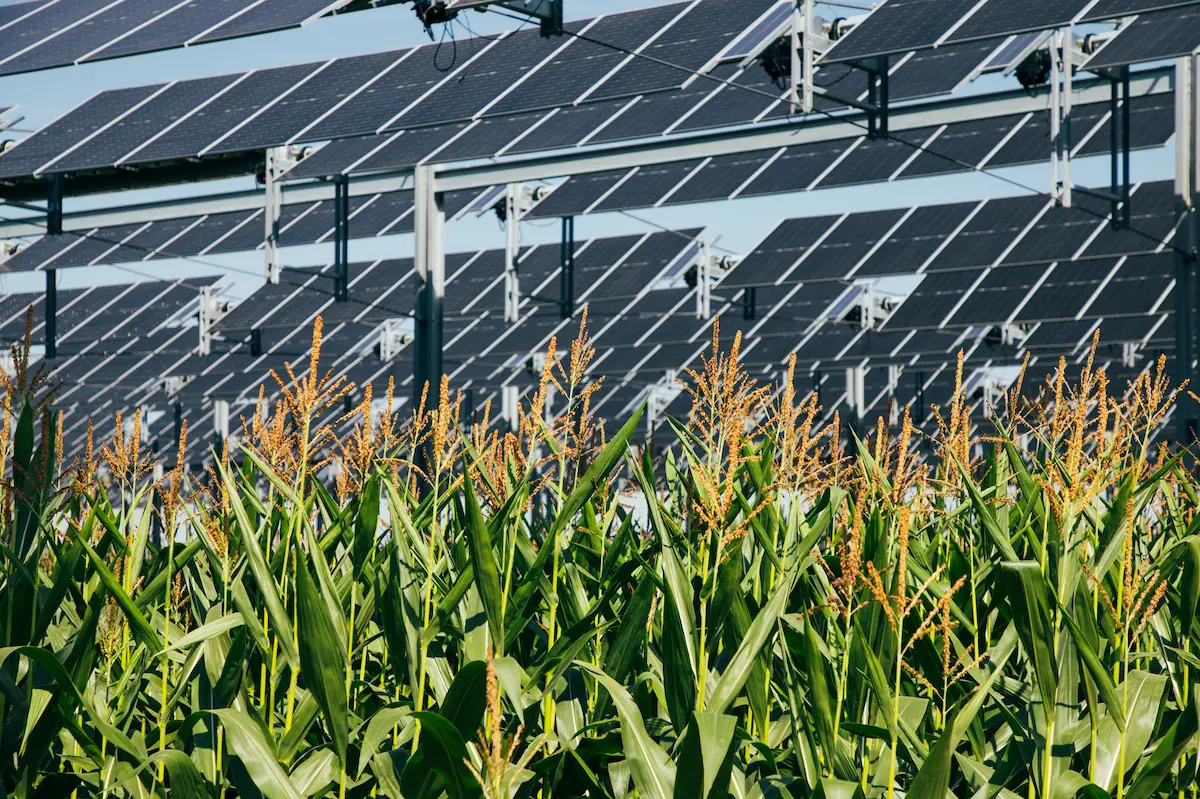
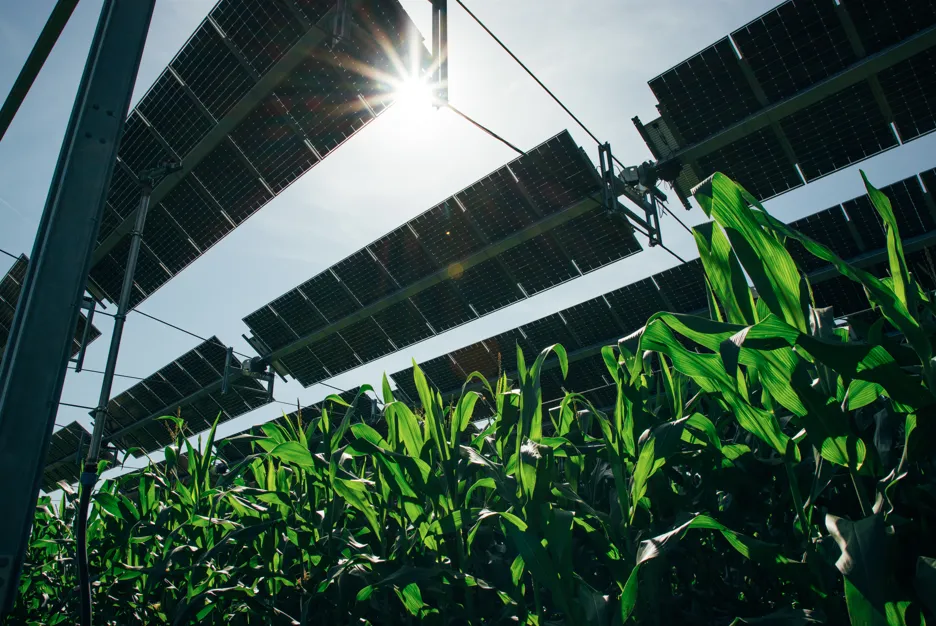
Under the agrivoltaic canopy in Amance (70), silage corn was planted on April 25, 2026. This crop proved particularly exposed to the climatic stresses of a spring and summer in 2026 marked by historic drought and heat: a month of April with no precipitation, coinciding with the corn's emergence, followed by a hot and dry period during the end of the elongation phase and during flowering—a particularly sensitive stage for the crop—with temperatures exceeding 35°C in the open area.
In this context, the canopy provided the expected protective effectThis was particularly evident in the ears, where sterility issues emerged, mainly in the control area, although some similar symptoms were also observed under the canopy. This protective effect is also reflected in the total crop height, which was on average 40 cm taller under the canopy than in the control area (200 cm versus 160 cm). These differences ultimately result in a 19.6% higher dry matter yield under the canopy compared to the control area.
While the harvest under the canopy was also affected by this exceptional heatwave, agrivoltaics helped mitigate the effects and secure a forage harvest. The quality analysis results, received recently, are still being processed.





.webp)