TSE is commited
Innovation at TSE
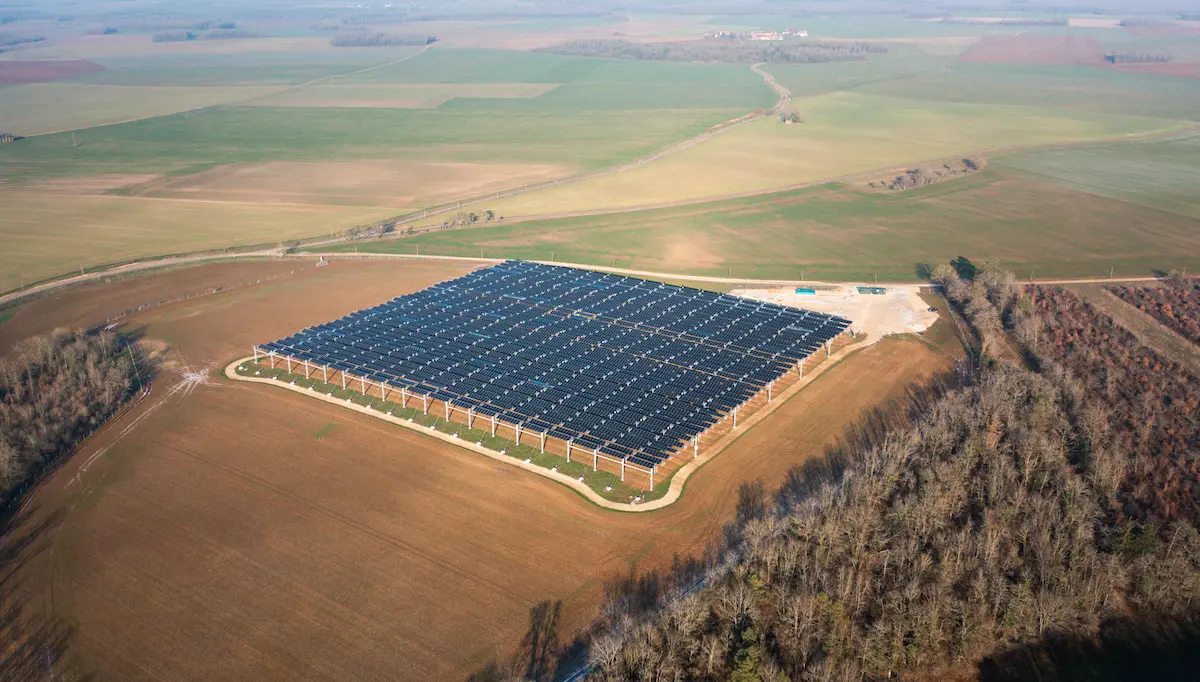
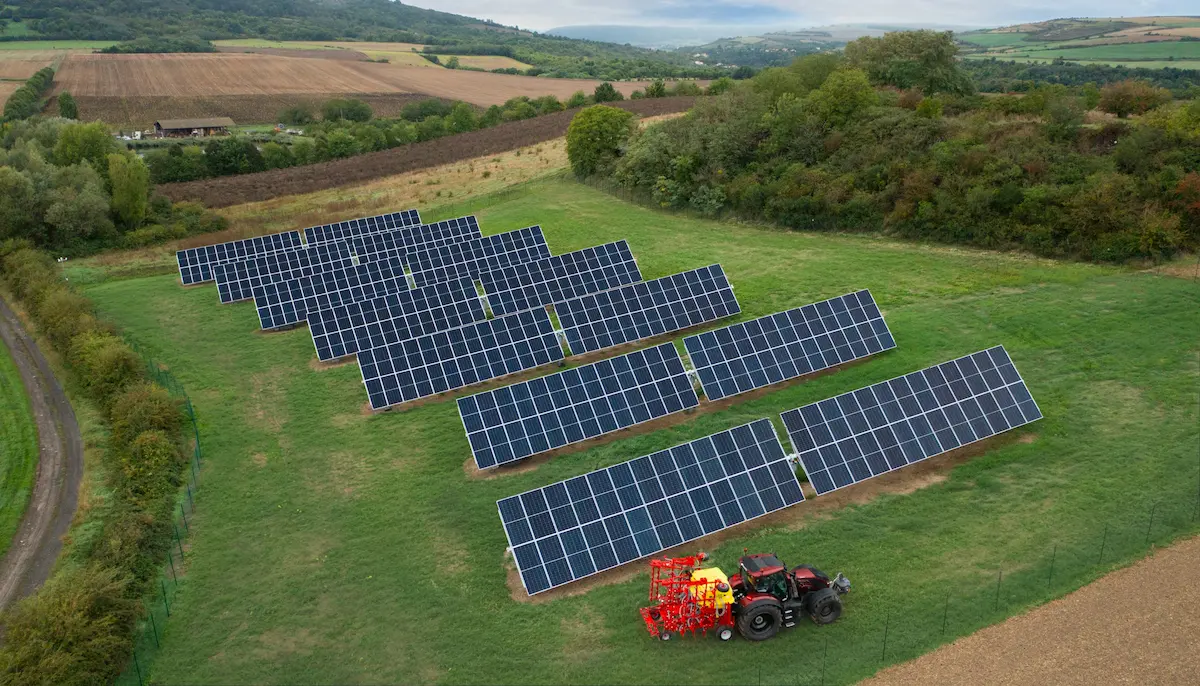
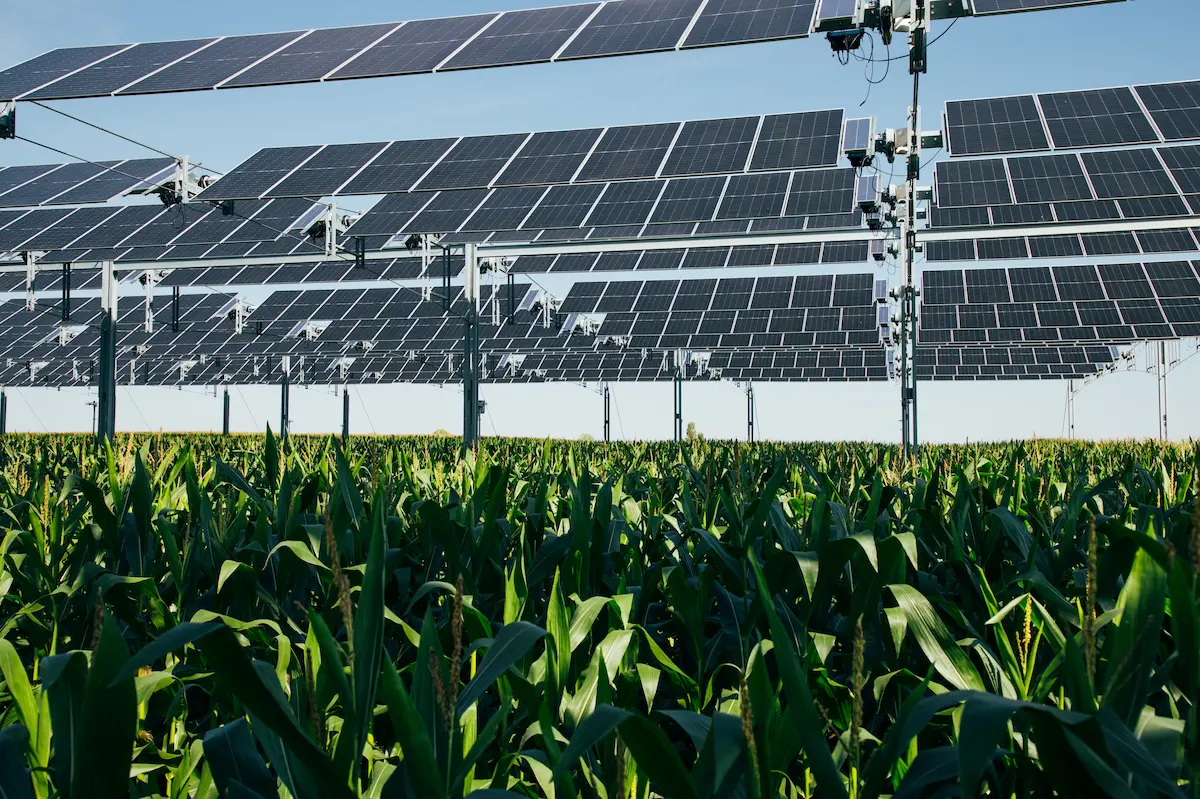
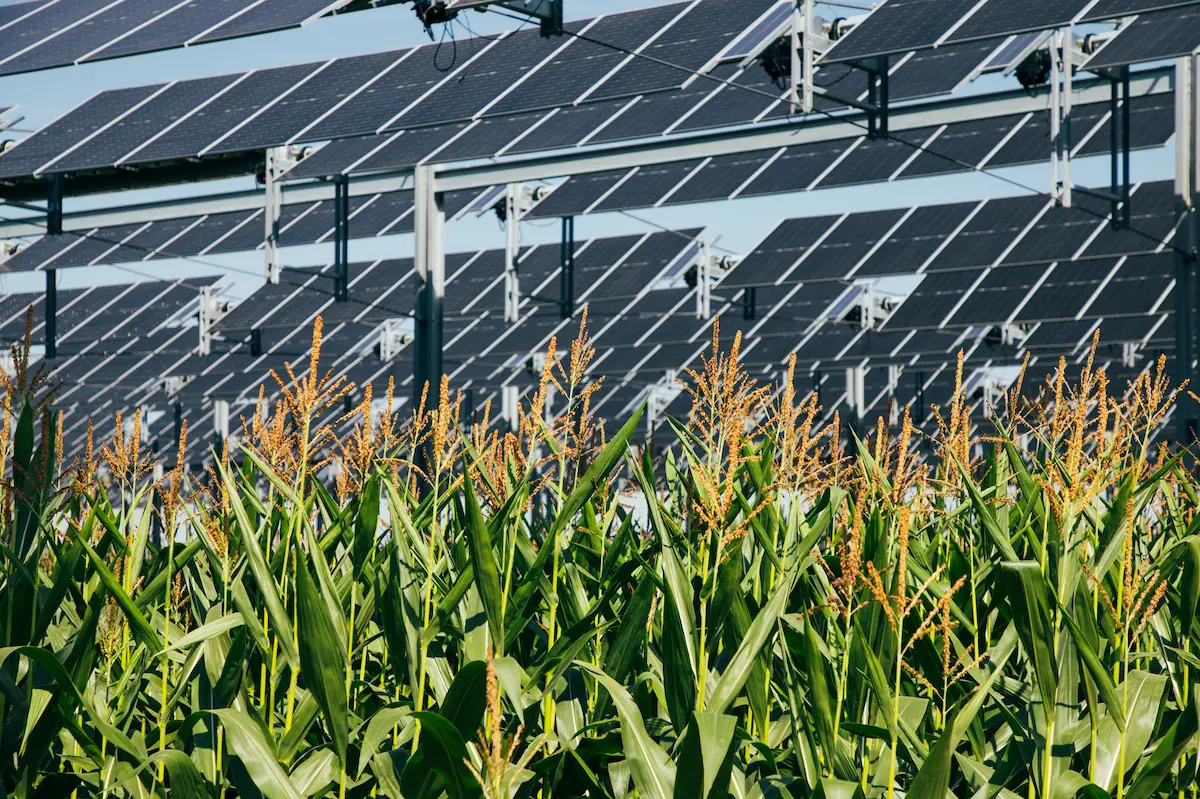
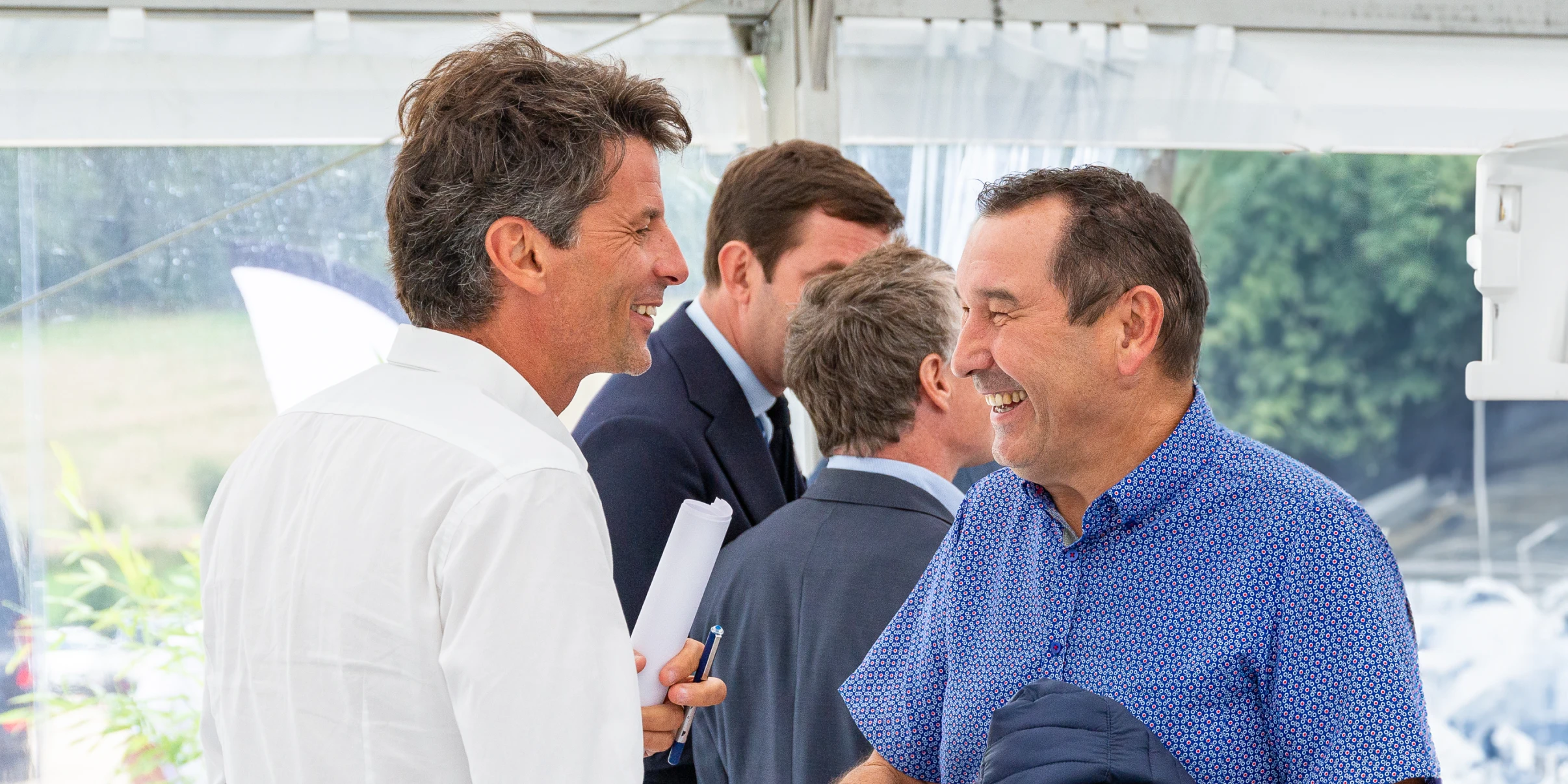
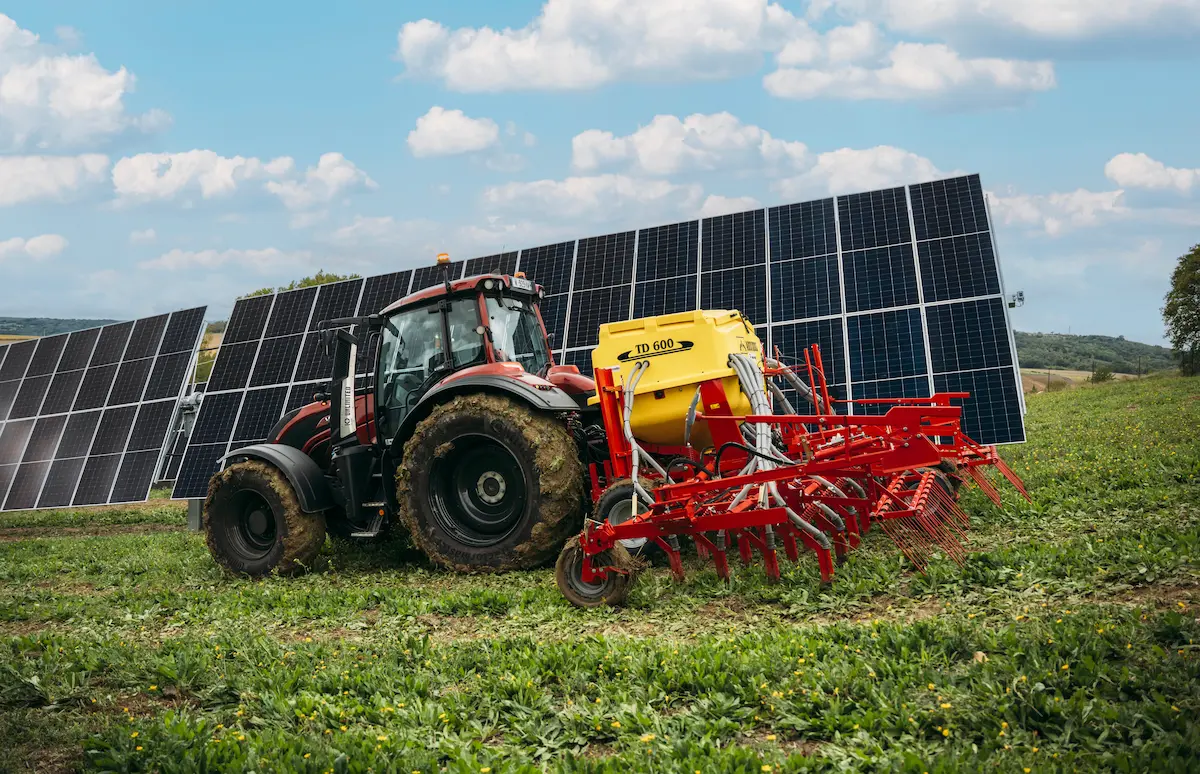
Innovation at TSE addresses a real challenge: how can we generate competitive solar energy for businesses whilst respecting land use, agricultural needs and local expectations?
That is why our R&D division focuses on the technology behind our structures, project management, agronomic monitoring, digital twins, data and the overall approach to project design.

Our commitment to biodiversity
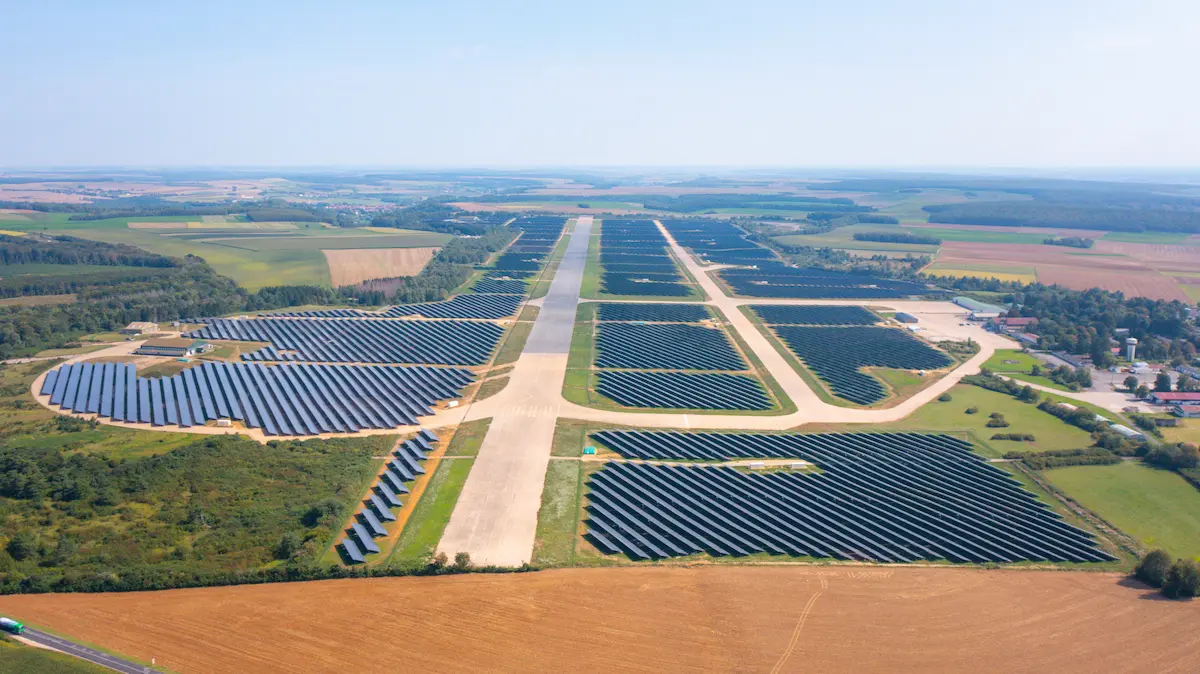
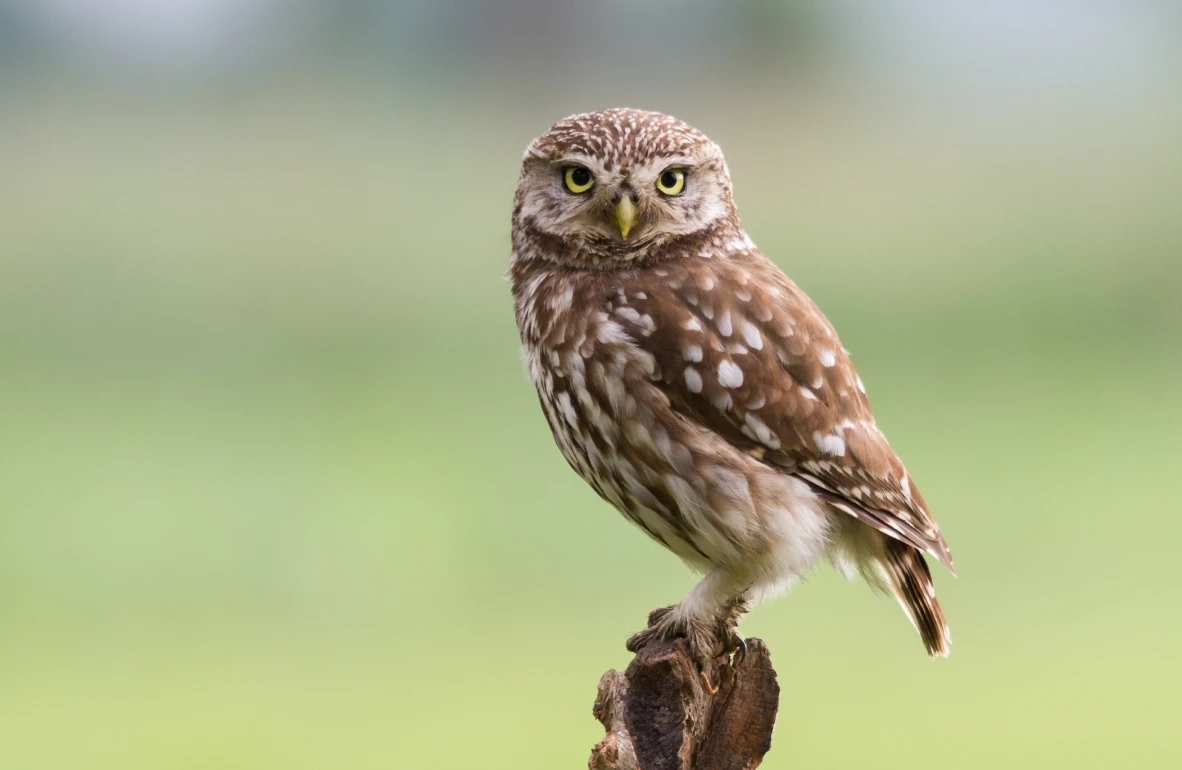
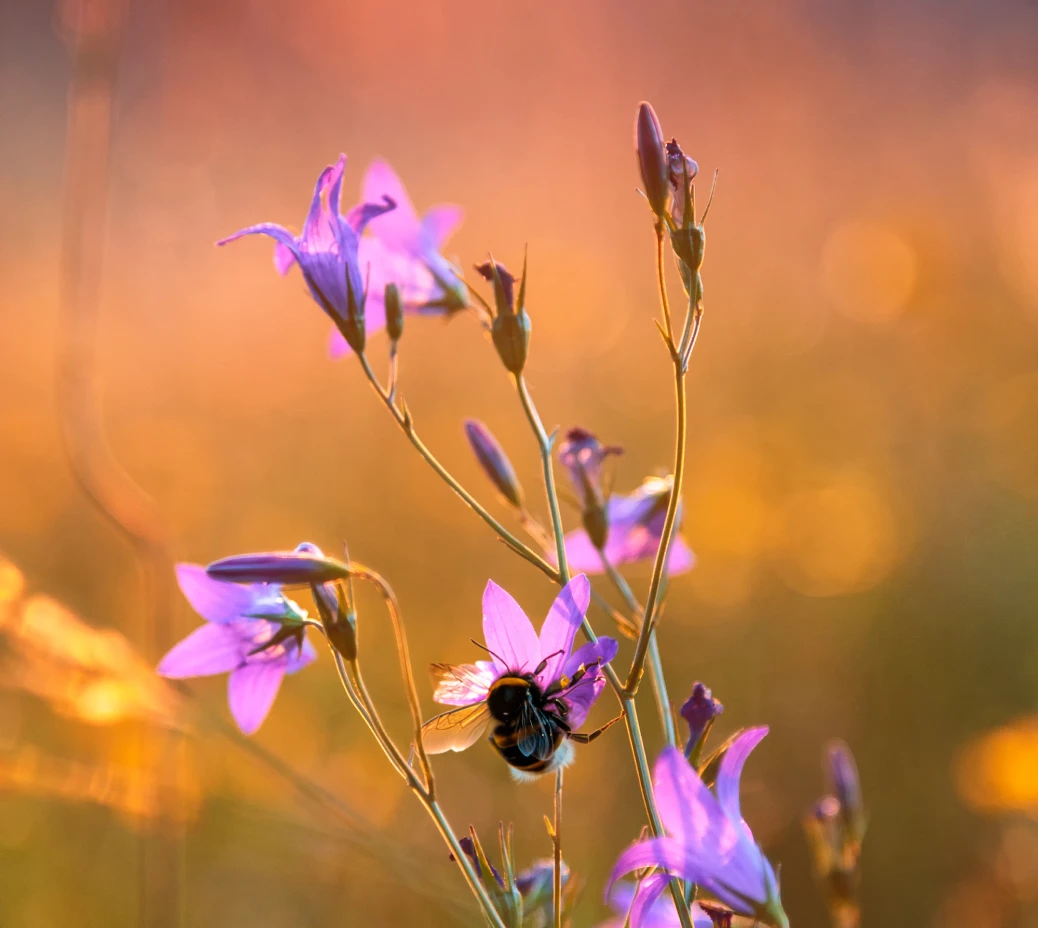
We are conscious of challenges to the environment when developing renewable energy, which is why we take biodiversity and the landscape into account in all of our activities and all of our projects, all over the country.
Our CSR strategy
In 2024, TSE is launching its CSR approach: measuring our carbon footprint, double materiality assessment, and eligibility and taxonomy alignment will guide our future actions in terms of sustainable development, transparency and corporate governance.
This strategy, together with an ambitious action plan, will contribute to the preservation of biodiversity and the environment in the broadest sense, propose ethical and sustainable photovoltaic projects, strengthen the image, meaning and values of our company and offer a healthy and safe working environment for our employees.
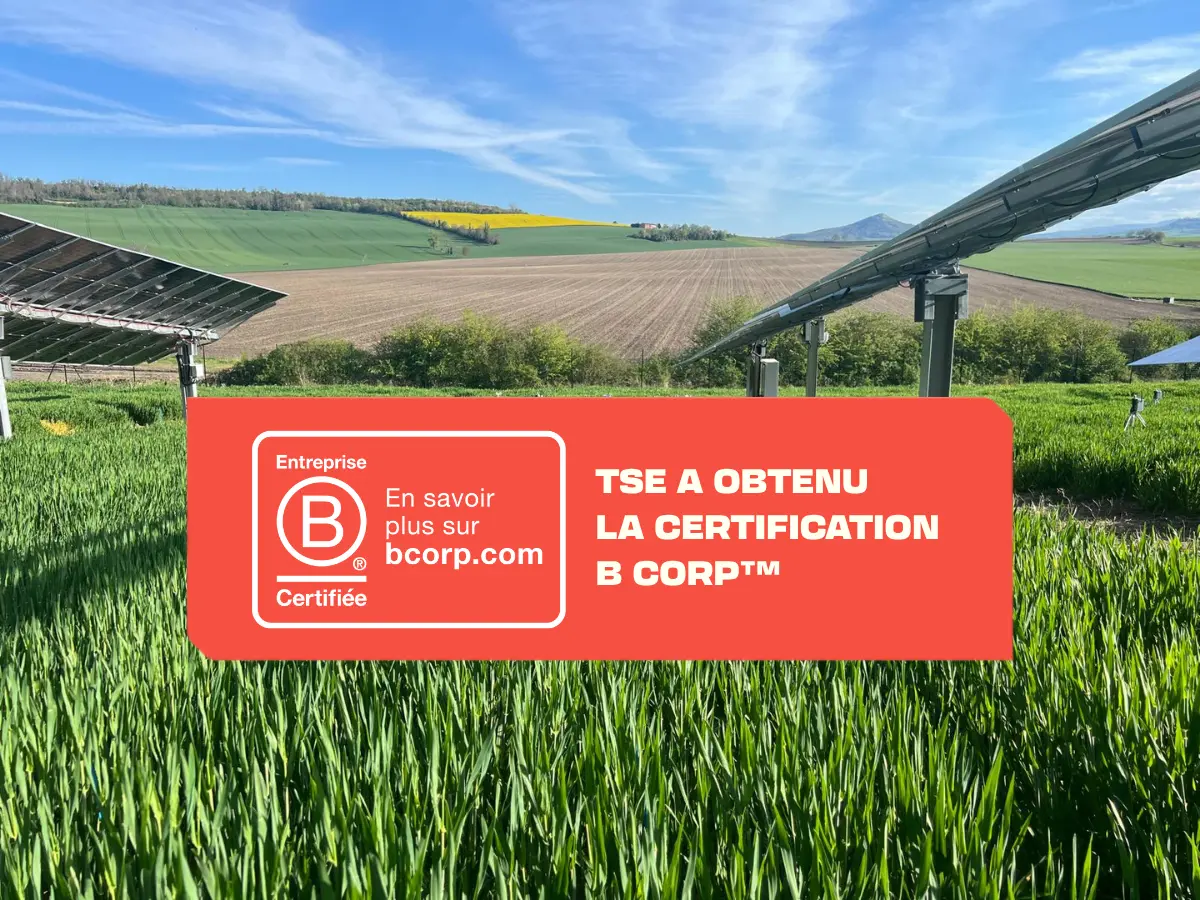
In 2026, TSE also achieved B Corp™ certification by meeting B Lab’s integrated social, environmental, and governance standards. This embeds our purpose and plans for positive impact in our company DNA, so that we’re aware of our impact on people and the planet.
Our quality commitment
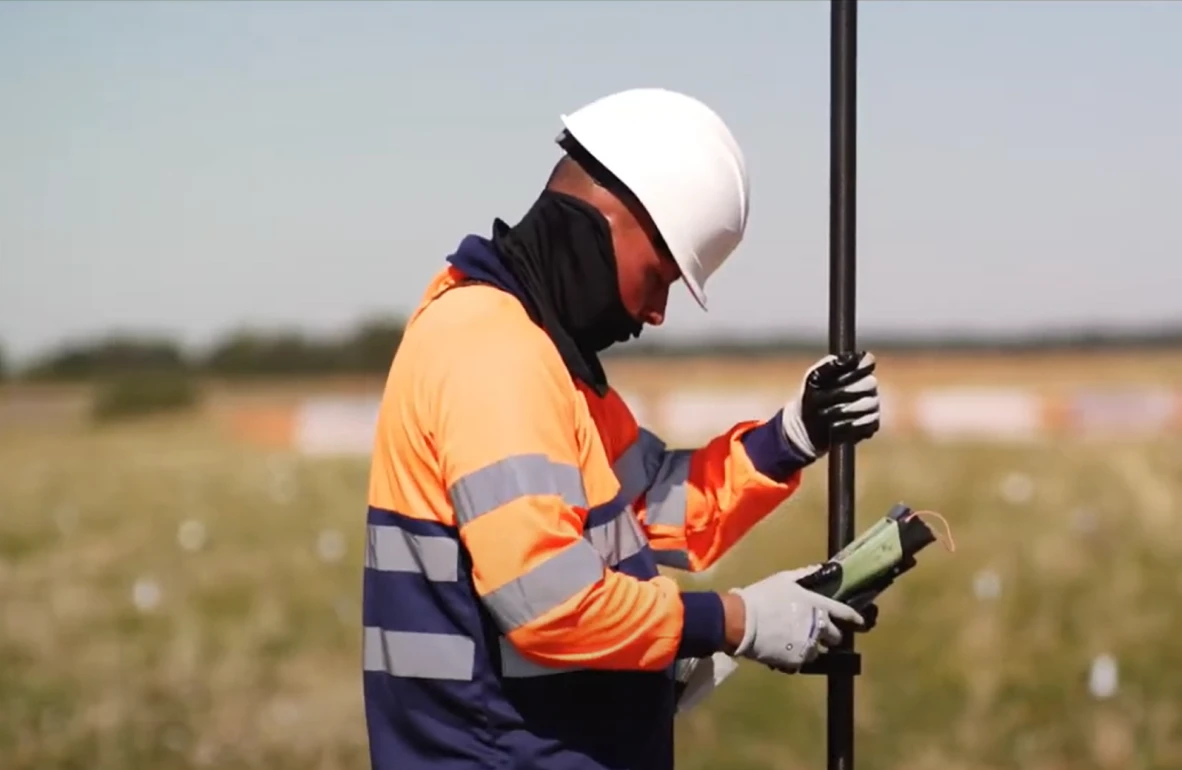
In accordance with a competitive framework, TSE intends to establish lasting partnership relationships with its suppliers and subcontractors.
Our objective is to define and build the solar installations of tomorrow by providing the best levels of services and technical solutions.
From the consultation phase, TSE is committed to maintaining loyal, equitable, objective and mutually respectful relationships with all its suppliers, subcontractors and partners.
TSE protects the image of its suppliers and their confidential data as if they were its own.
Any questions ?
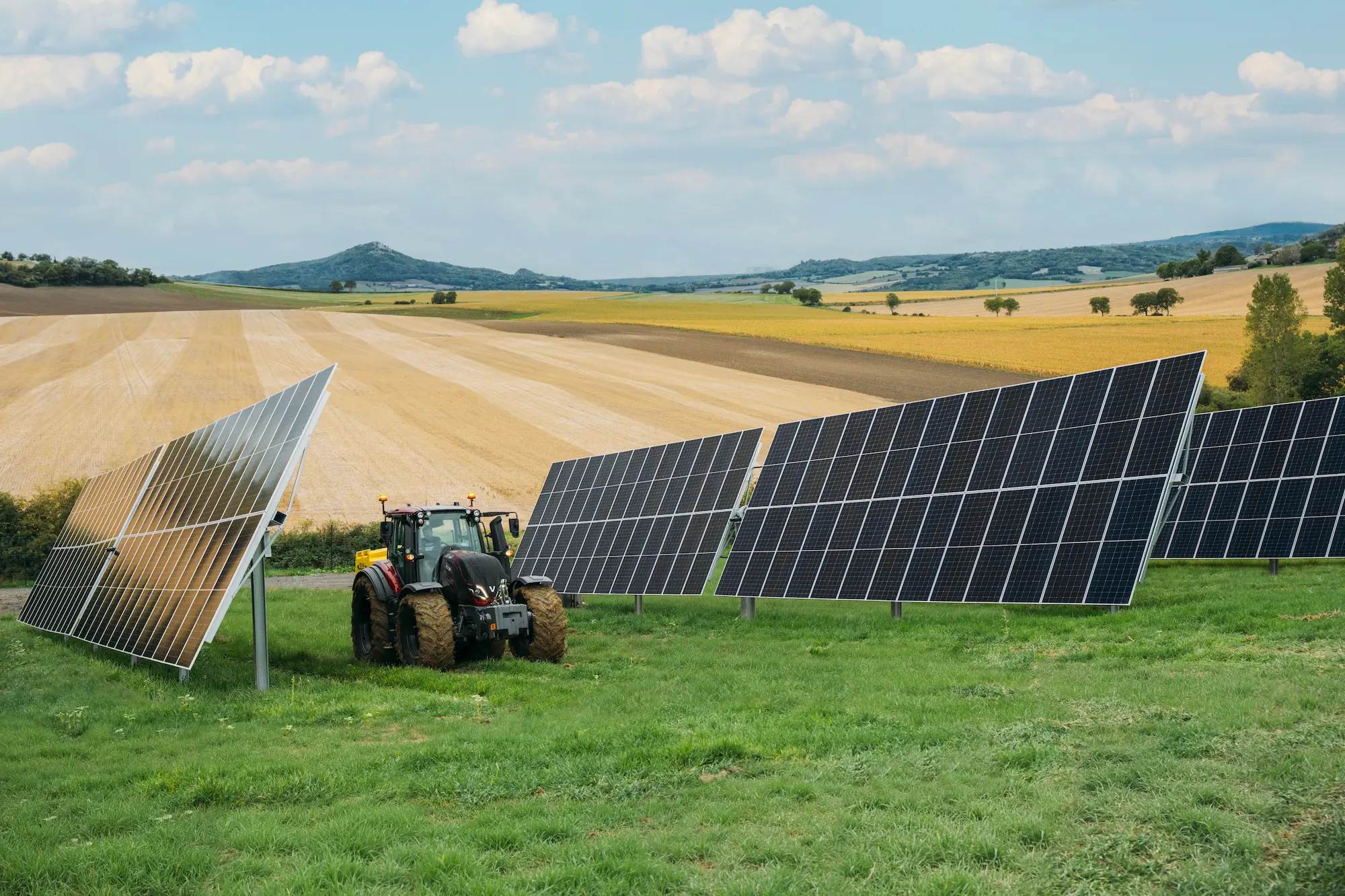
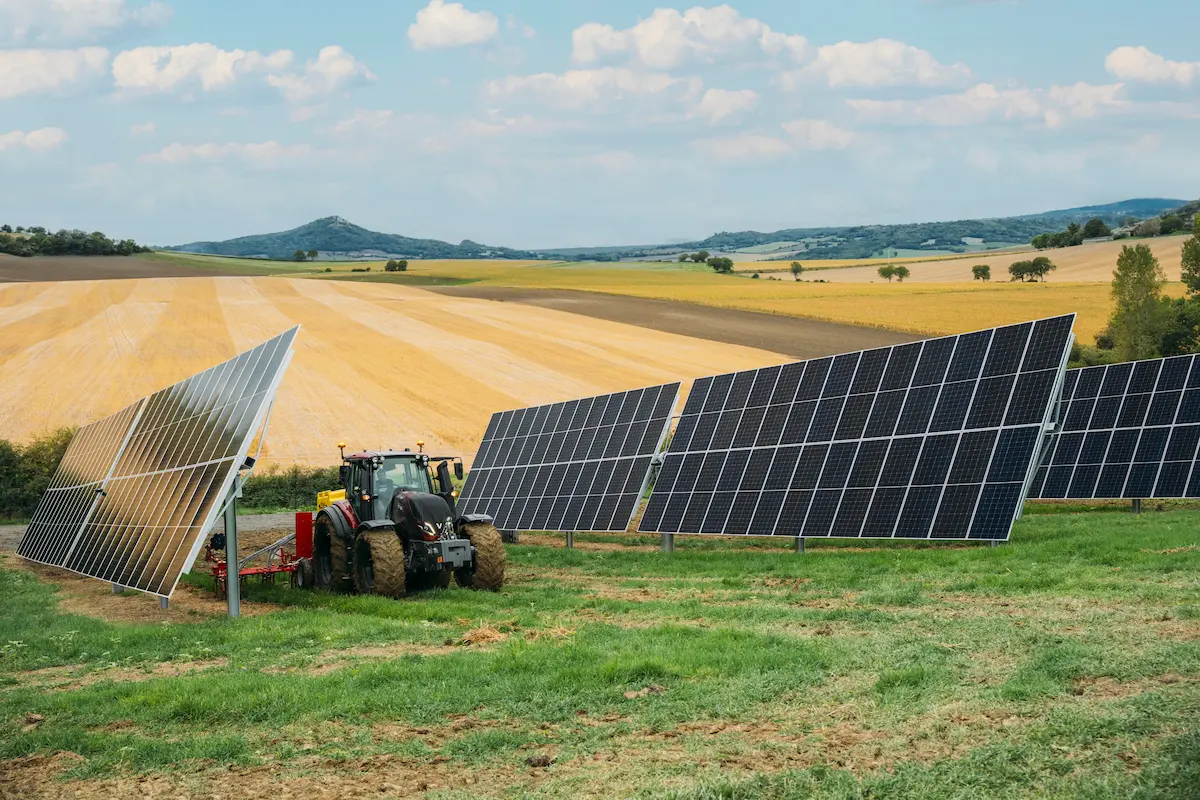
Yes, provided it is designed based on an ecological assessment, includes appropriate measures, and is monitored over time. While agricultural land is already human-altered, an agrivoltaic plant is studied, adapted, and monitored in the same way.
Because a solar project is part of a landscape that is lived in, perceived, and used, its quality also depends on how well it is integrated into the local area.
.webp)
.webp)

.webp)
.webp)