Our commitment to biodiversity

Our approach to biodiverity
Biodiversity is taken into account right from the planning stage and is then monitored throughout the project’s lifecycle.
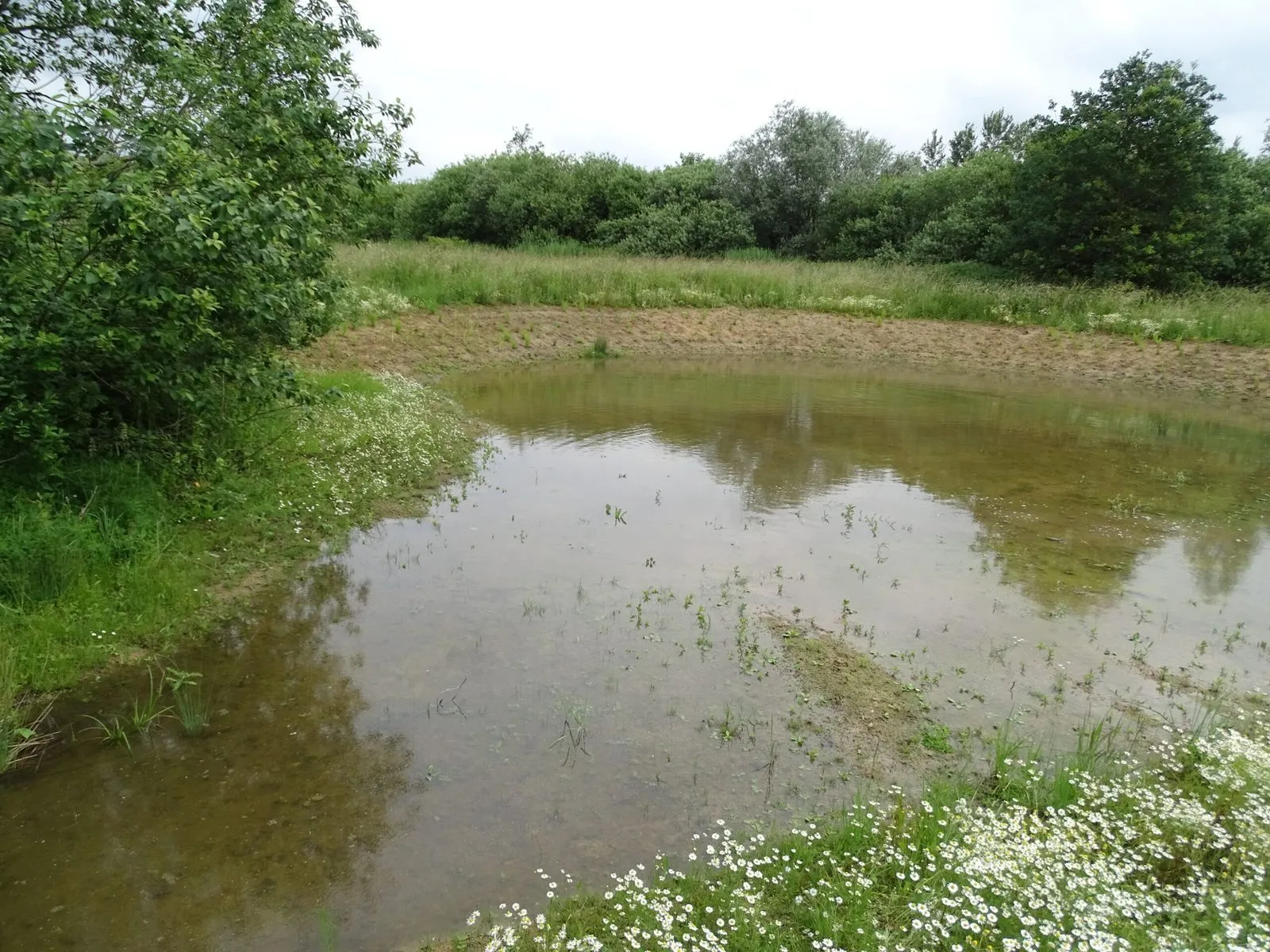
Going beyond regulatory requirements, TSE strives to tailor each project through ecological studies, specialist partnerships and measures adapted to the local context: hedgerows, ponds, wildlife refuges, corridors, permeable fencing, ecological land management or annual environmental monitoring, depending on the site’s characteristics.
A well-designed, monitored and adapted project can help to restore or enhance certain ecosystems.
Our commitments in favor of biodiversity are part of a virtuous approach reconciling renewable energy and the restoration of biodiversity. Our actions include:
- Mobilizing and committing all of our employees to the preservation of biodiversity.
- Establishing partnerships with recognized biodiversity actors (Muséum national d’Histoire naturelle, fonds Nature Impact WWF France...).
- Conducting in-depth and exemplary ecological studies to manage the challenges of the land.
- Developing ambitious solutions that foster the restoration of biodiversity.
- Implementing ecological measures adapted to the local context.
- Planning and monitoring our biodiversity actions throughout the lifespan of our projects.
- Conducting an environmental assessment of our power plants every year.
Our approach to blending into the landscape
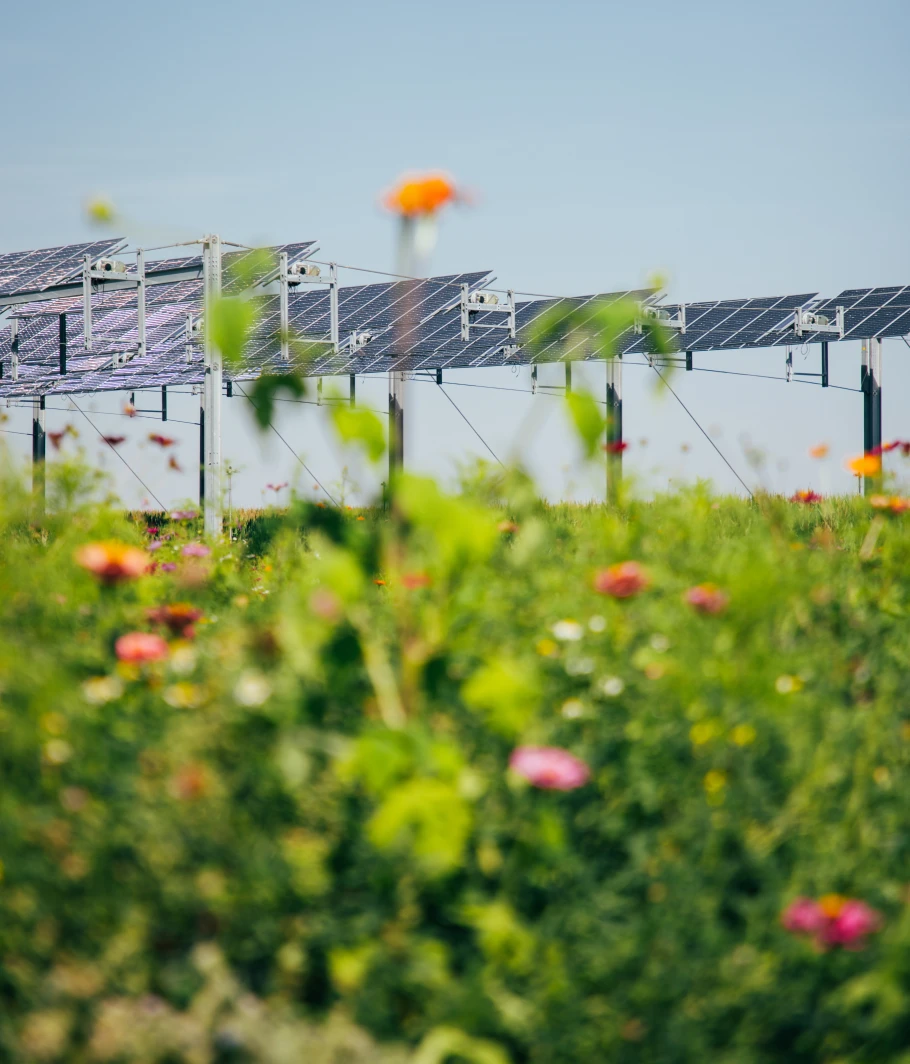
Integration into the landscape follows the same principle.
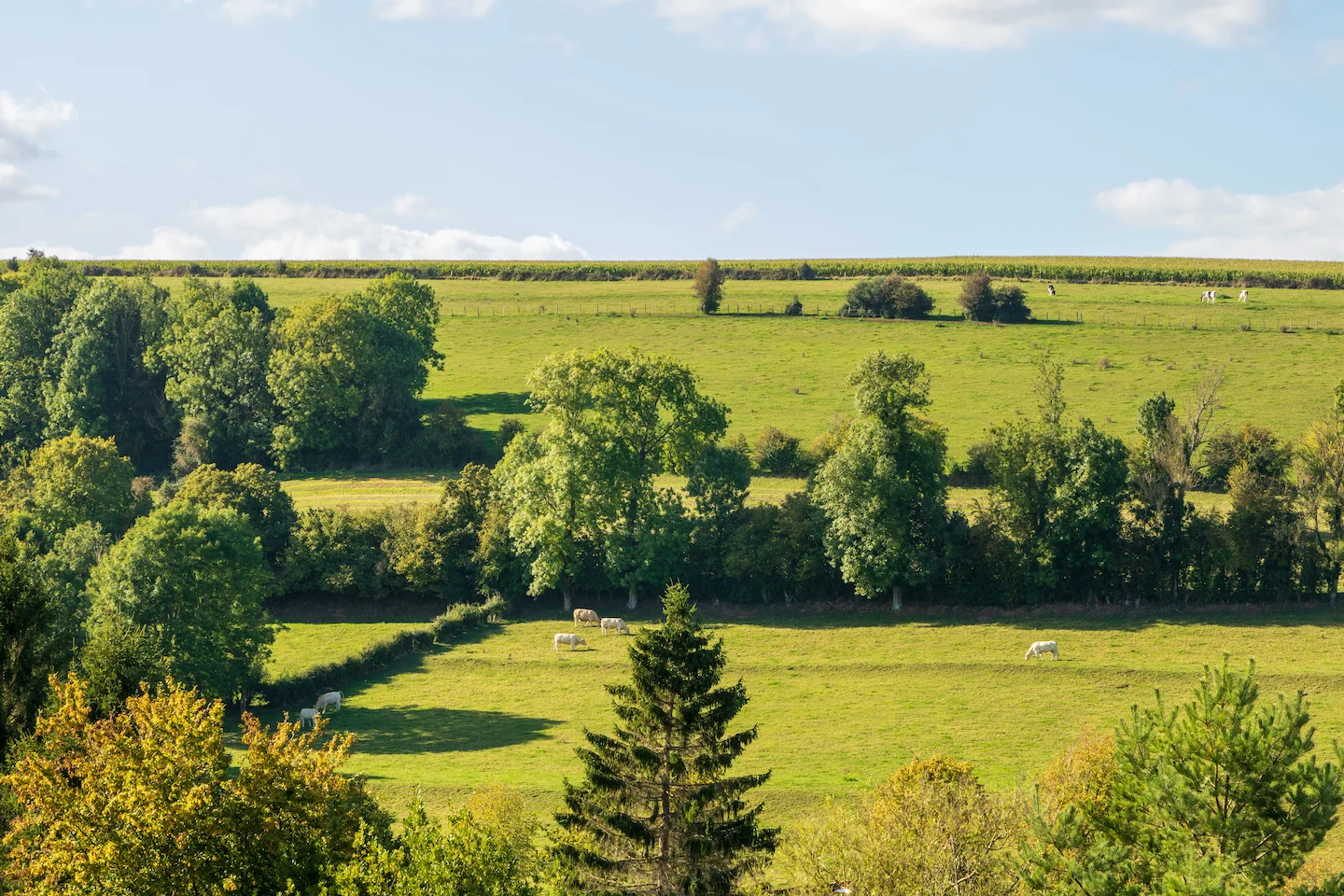
A solar power station is never part of an abstract landscape. It is embedded in local history, geography, customs and perceptions.
Preliminary studies must therefore enable us to understand the area before designing the project.
Any questions ?
Yes, provided it is designed based on an ecological assessment, includes appropriate measures, and is monitored over time. While agricultural land is already human-altered, an agrivoltaic plant is studied, adapted, and monitored in the same way.
Depending on the site, this may involve hedgerows, ponds, ecological corridors, shelters, permeable fencing, or ecological land management.
Because a solar project is part of a landscape that is lived in, perceived, and used, its quality also depends on how well it is integrated into the local area.
The landscape integration of agrivoltaic installations relies on a comprehensive approach that combines thoughtful structure orientation, visual impact reduction, and the enhancement of existing vegetation patterns. It is based on field studies, local consultations, and regular discussions with government authorities to ensure that landscape, heritage, and biodiversity concerns are properly identified and addressed.
This component is an essential part of the impact assessment, which authorities use as a basis for granting building permits. Landscape integration methods vary depending on the specific characteristics of each plot, such as visibility, surroundings, and typology.
TSE has an in-house team of landscape architects who design integration solutions tailored to each project.
Hedges and plantings are defined by experts to respect the region's natural vegetation patterns and to comply with local species suited to the climate and soil. To ensure their longevity, they are planted at a reasonable distance of approximately two meters from the fences.