Agroclimatic results: TSE's agrivoltaic projects confirm their role in climate protection
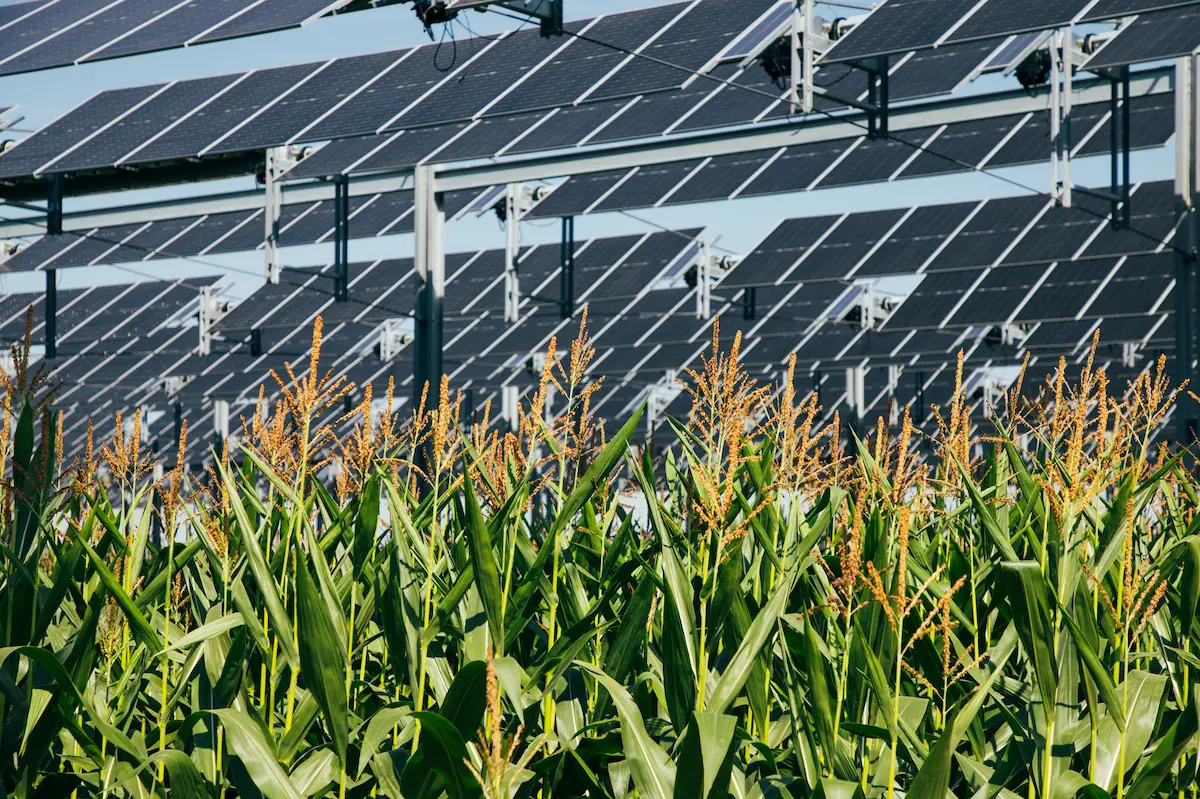
TSE publishes the first consolidated agronomic results of its canopies
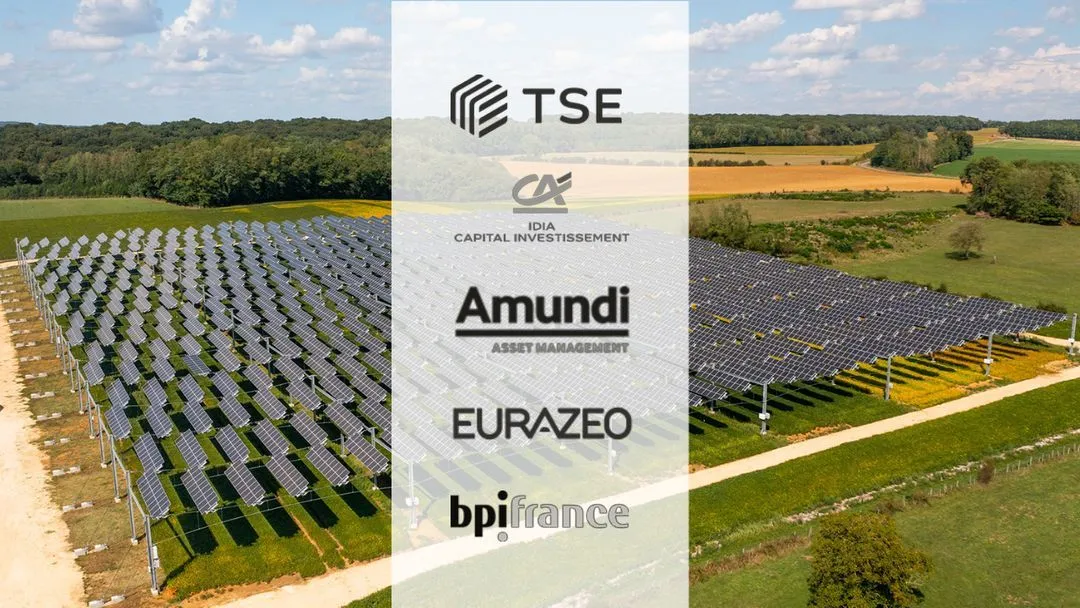
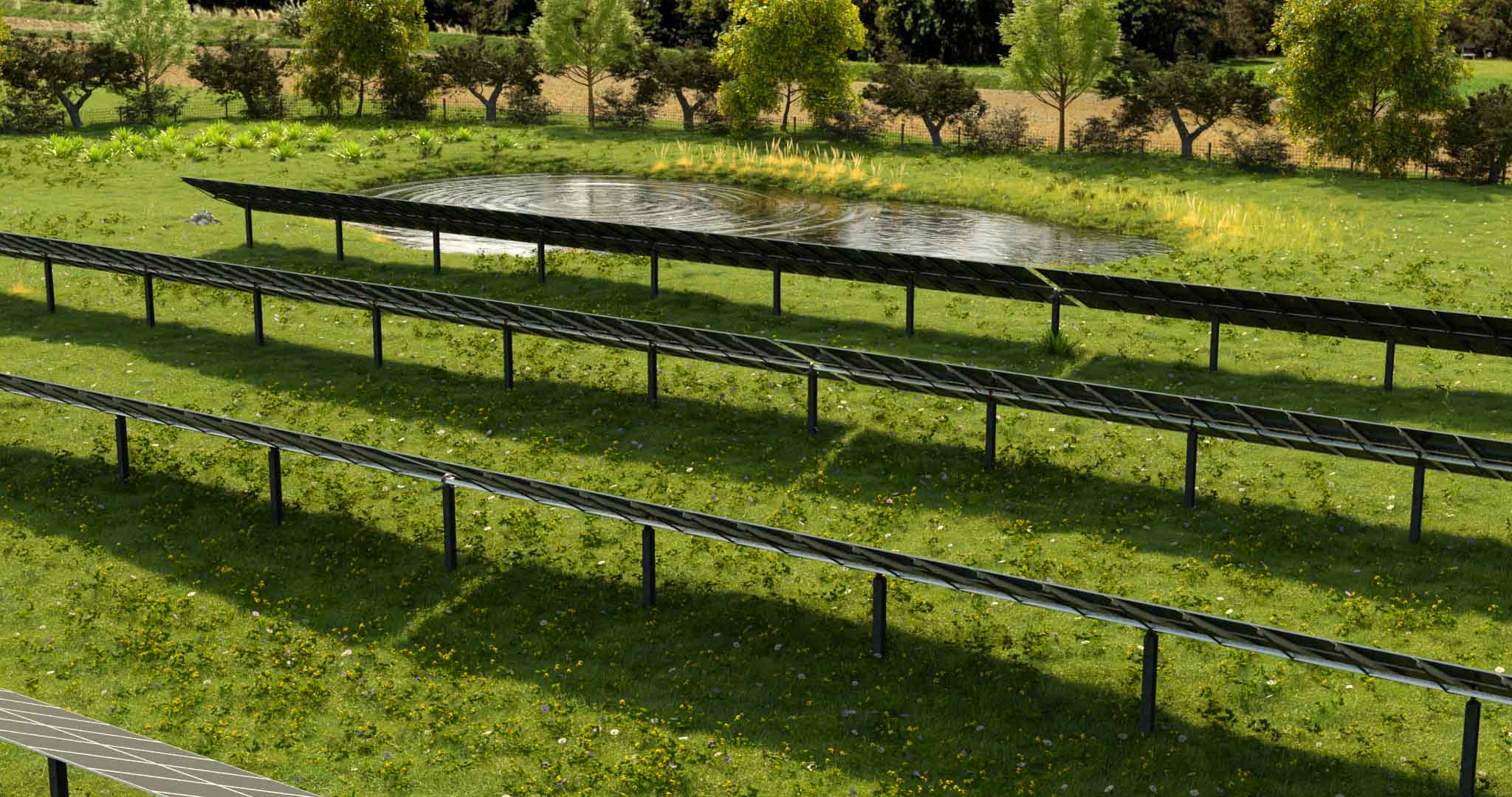
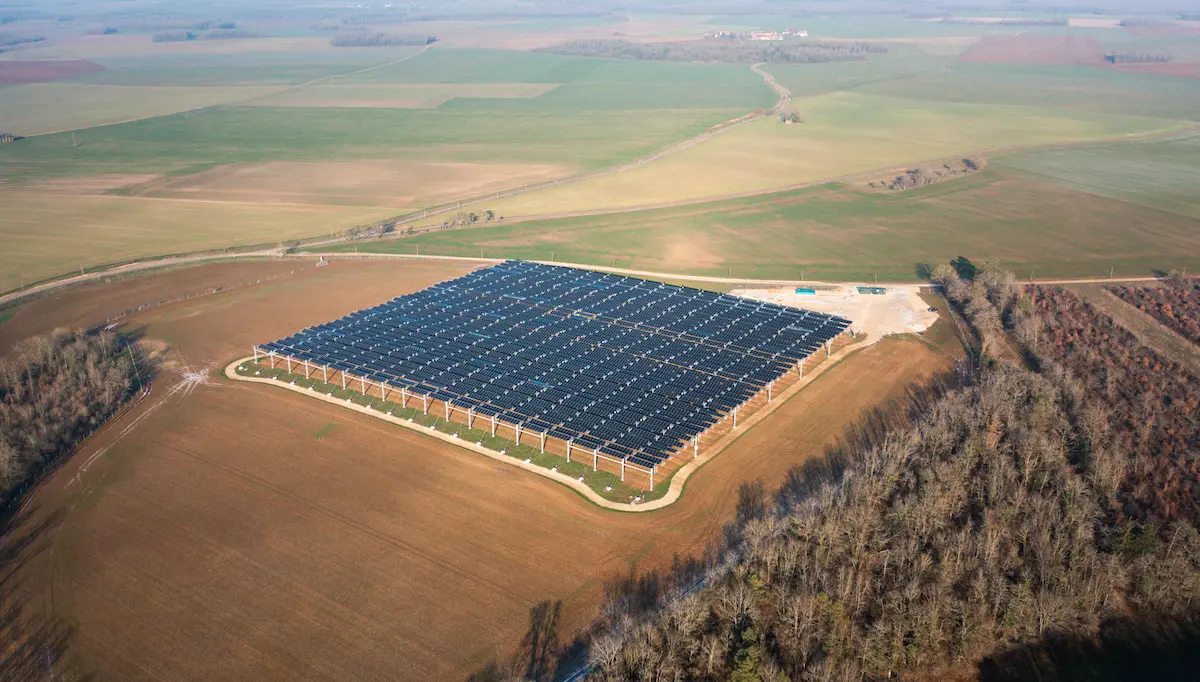
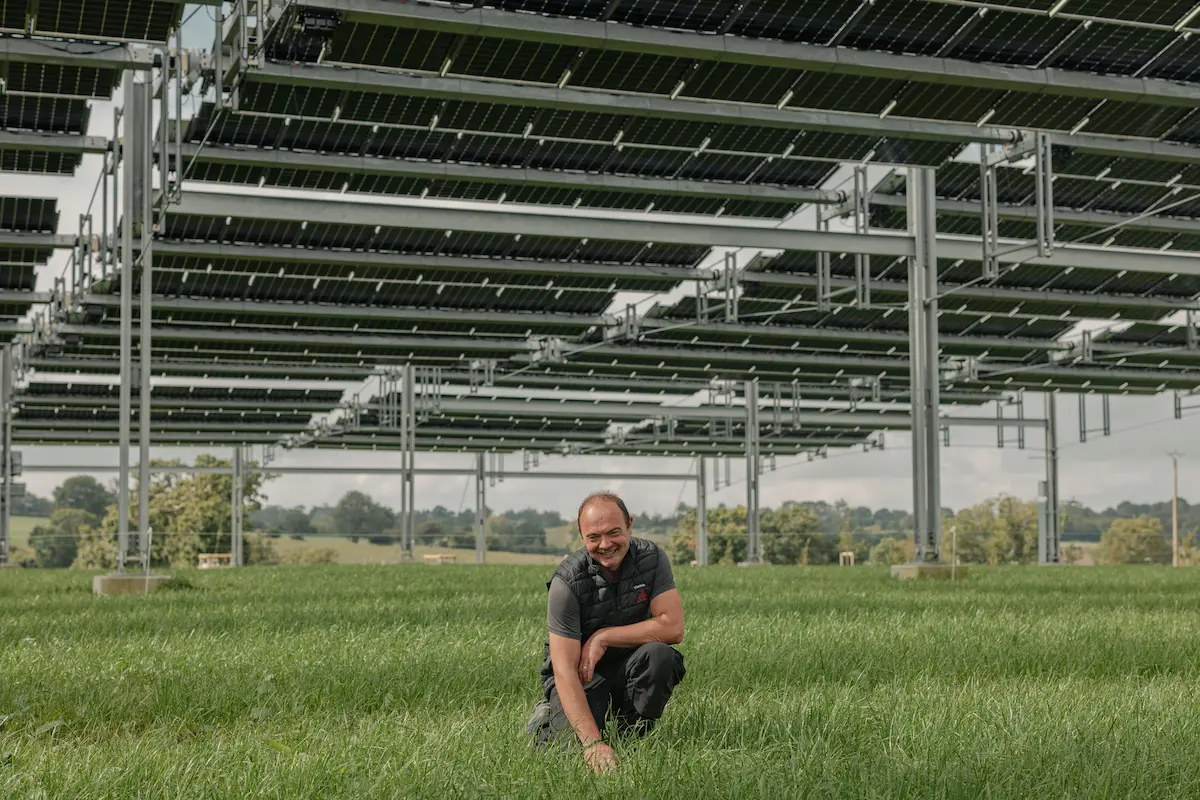
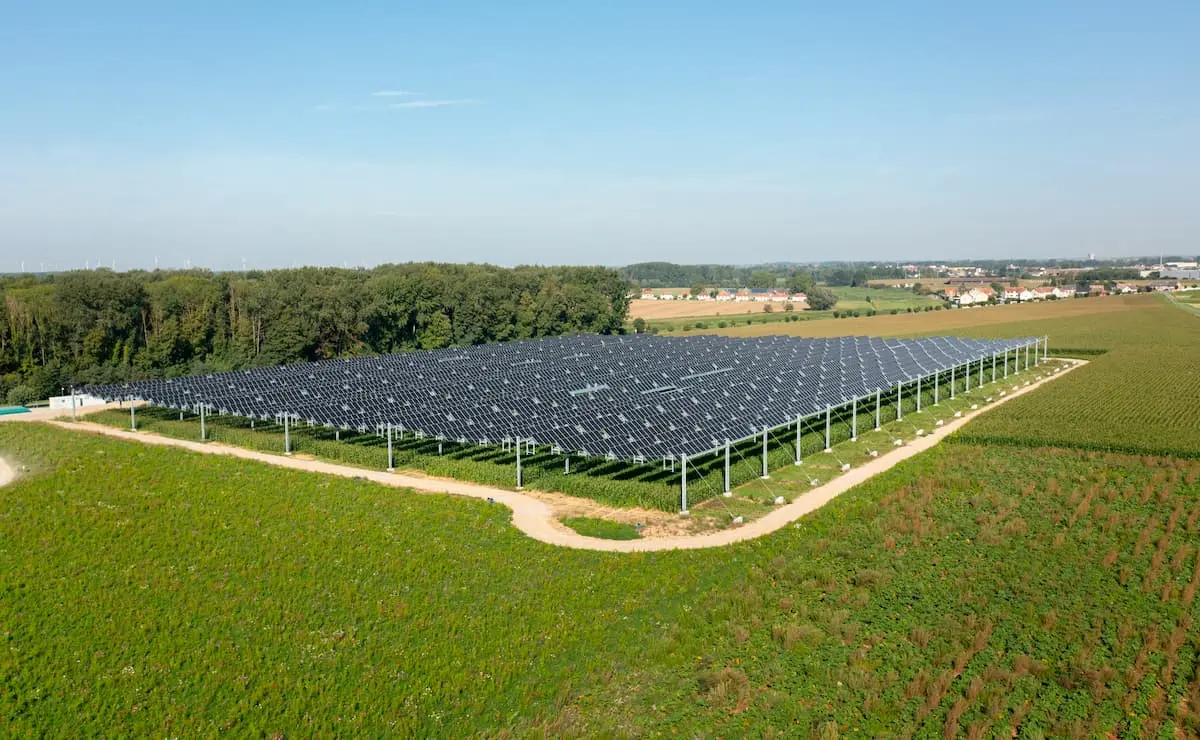
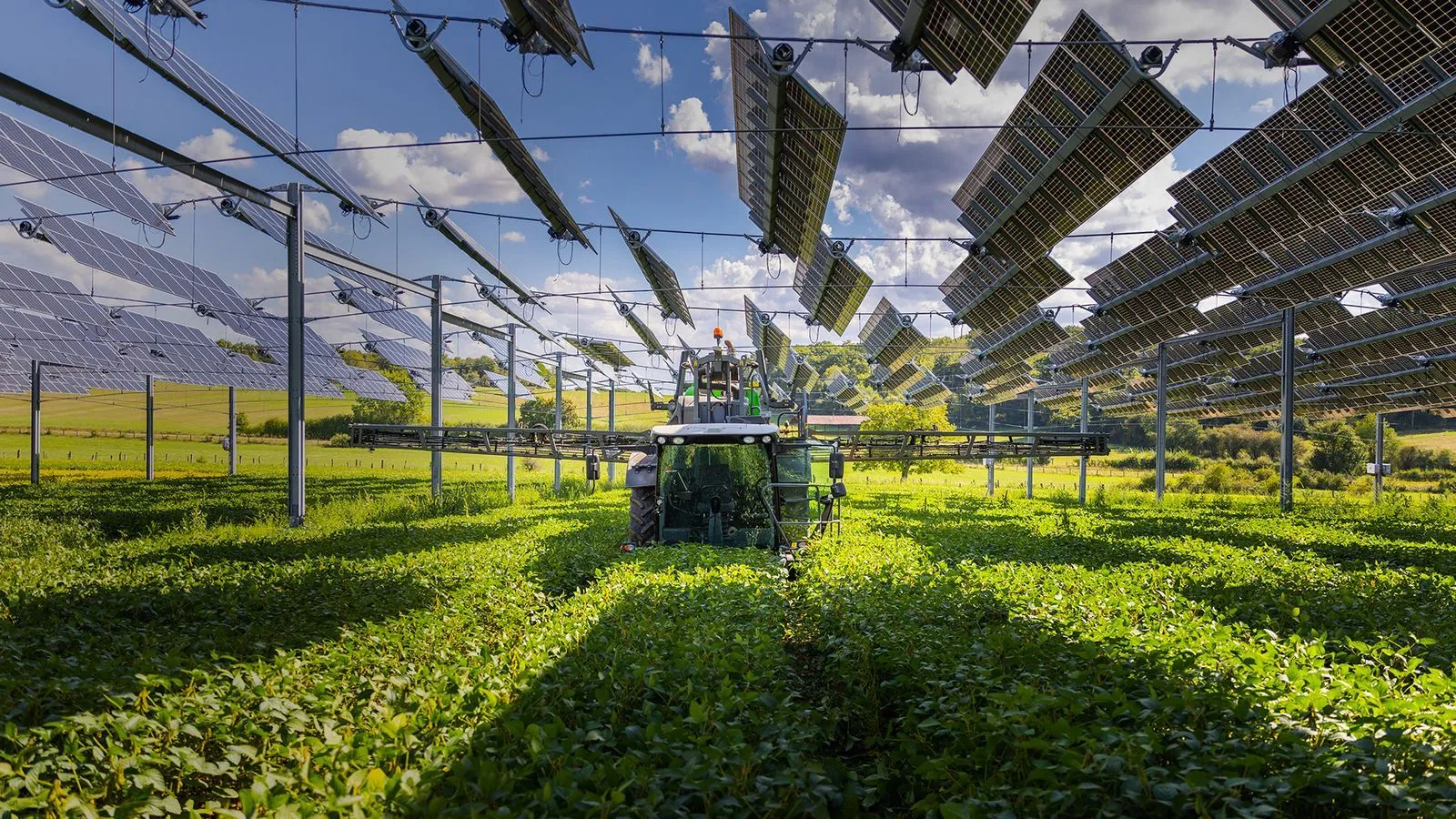
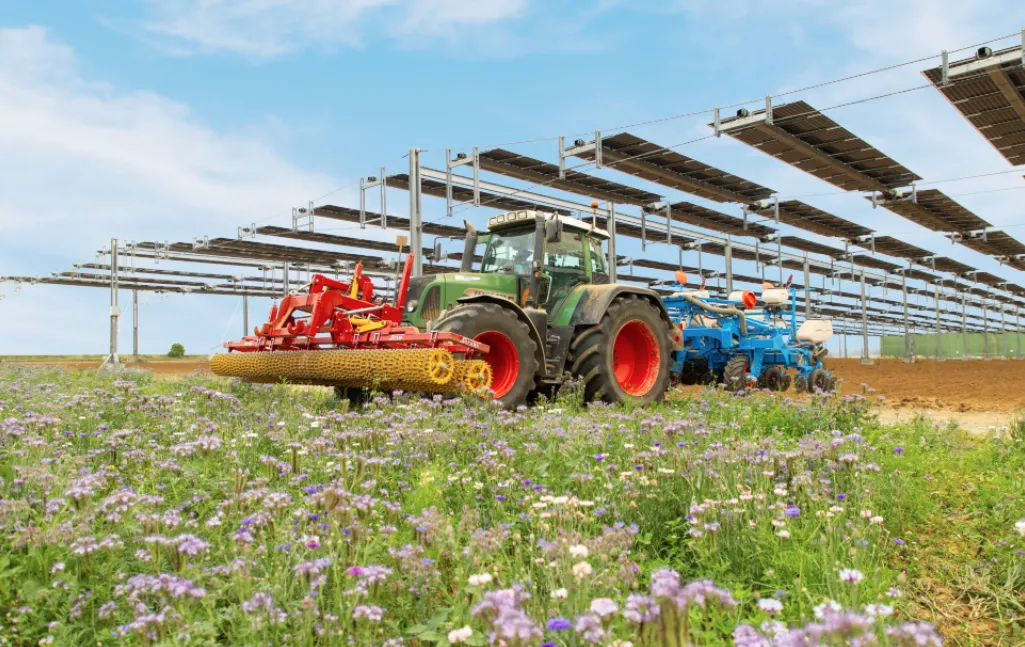
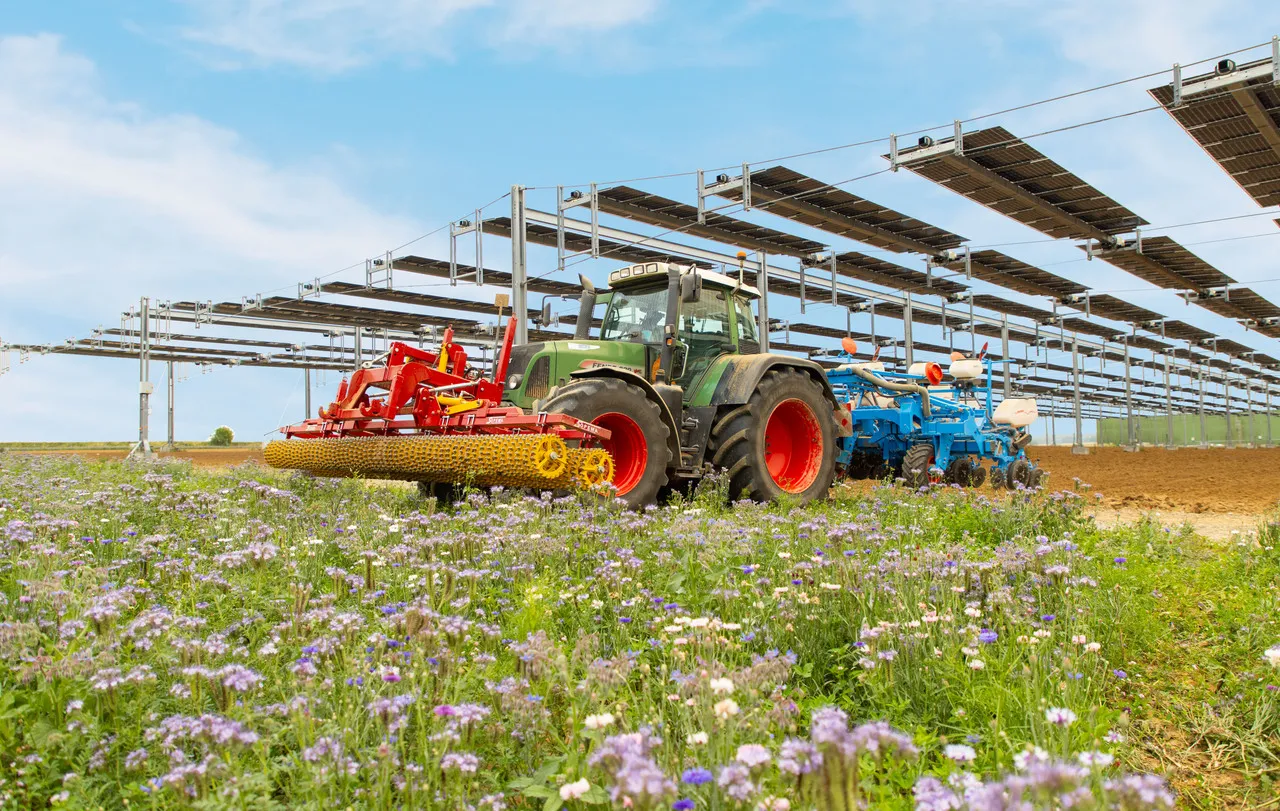
After three years of rigorous experimentation conducted in partnership with INRAE, agricultural cooperatives and Chambers of Agriculture, TSE is publishing the first consolidated agronomic results of its agrivoltaic canopies. Data measured at four pilot sites (Somme, Haute-Saône, Calvados, Cote-d'Or) confirm the protective role of these installations in the face of climatic stresses. The year 2025, marked by record temperatures and a significant water deficit, was a life-size test demonstrating the agronomic efficiency of agrivoltaics.
TSE, a developer with agrivoltaic demonstrators (5) in operation since 2022, continues over 9 years, its experimental program (choice of crops and agronomic rotation, pedoclimatic context, agroclimatic management...). While the year 2025 was hotter and sunnier than normal, our agroclimate solutions have demonstrated their role in climate protection, especially in times of water stress.
1. A microclimate regulated under the agrivoltaics solution
- 1.4°C on average over the hottest days.
- Up to 7°C under the canopy during a peak of heat this summer (Amance 30/06/25, Brouchy 18/07/25).
- +2 °C the coldest nights.
- Reduced thermal amplitude of about 1°C over 24 hours on average over the year.
2. Promising yields for crops and grasslands
- The tests demonstrate an improvement in yield under the device with agroclimatic management (+18% efficiency against an unmanaged area Verdonnet, 2025).
- The total annual returns are similar between canopy and control, with better resilience in dry conditions (Souleuvre en Bocage, 2024 and 2025).
3. An improved water balance under the agrivoltaic solution
- -35% reduction in evapoperspiration potential on average (Verdonnet, 2025).
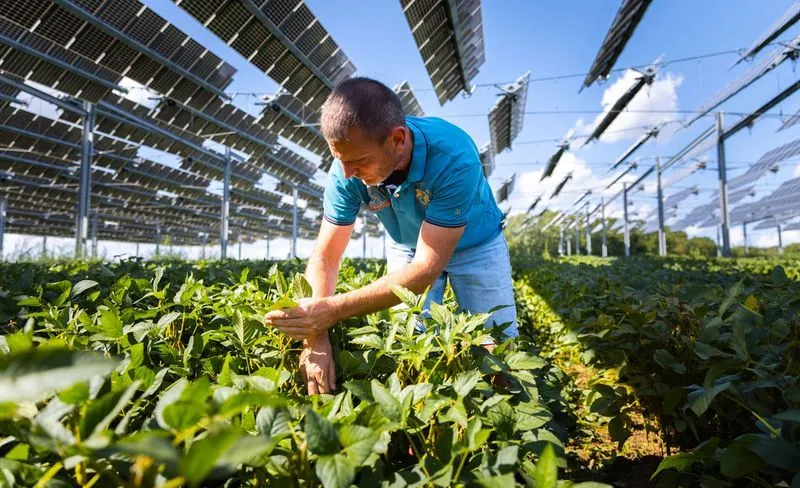
- -75% of stress days over the entire soybean cycle (Amance, 2022).
4. Improved thermal comfort for animals
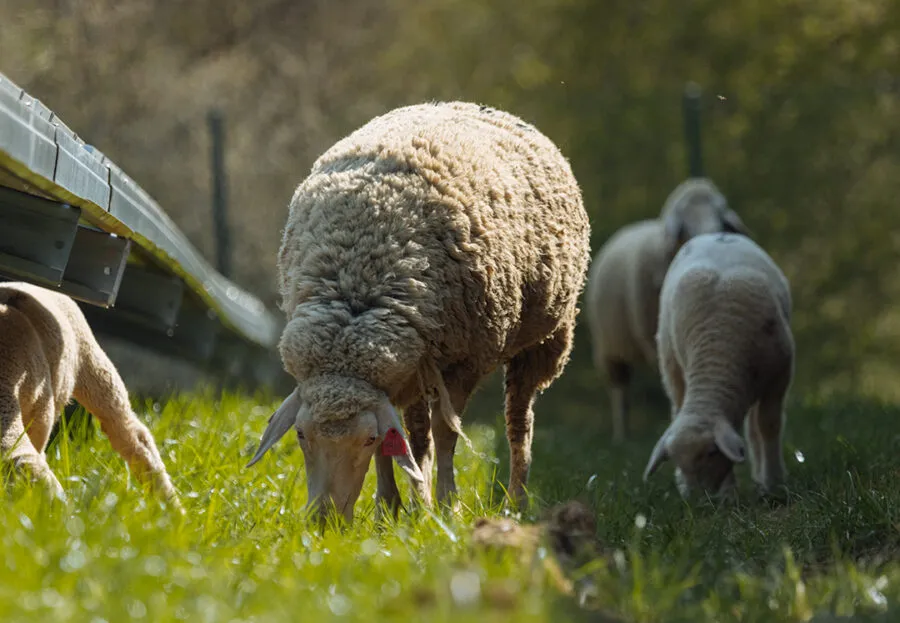
- Shading decreases radiation and brings comfort to animals.
- During the heatwaves of 2025, The cows were resting in the shade of the sun under the canopy, while in the control area, they tried to enter under the buildings to find shelter.
Testimonies from the field
For Fréderic Imbert, TSE Agro R&D Director:
“These results demonstrate the interest of agrivoltaic systems for the food production of today and tomorrow, in a context of accelerating climate change, marked in particular by an increase in average temperatures each year. These tools, in particular those developed by TSE such as shades and canopies, will therefore be one of the major levers available to the agricultural world, to help fight global warming.”
For Yoann Bizet, farmer in Souleuvre-en-Bocage and equipped with an agricultural canopy:
“We have a year of hindsight, and we notice that during periods of hot weather, we reach almost twice the tonnage of dry matter harvested under the shade, because we have a shade that was really designed for agriculture (...). We also noticed that after 20 degrees, the control herd waits directly at the barrier to enter the building, unlike the herd under the shade, which suffers less from the temperature.”
Agricultural partnerships and test sites
- Canopée de Brouchy (80): Noriap, Somme Chamber of Agriculture.
- Canopies of Verdonnet (21) and Amance (70): Alliance BFC Dijon cereals.
- Canopy of Souleuvre-en-Bocage (14): IDELE, Normandy Chamber of Agriculture, INRAE.
>> To read: Agrivoltaics, an ally in mitigating the impact of climate change on field crops





.webp)