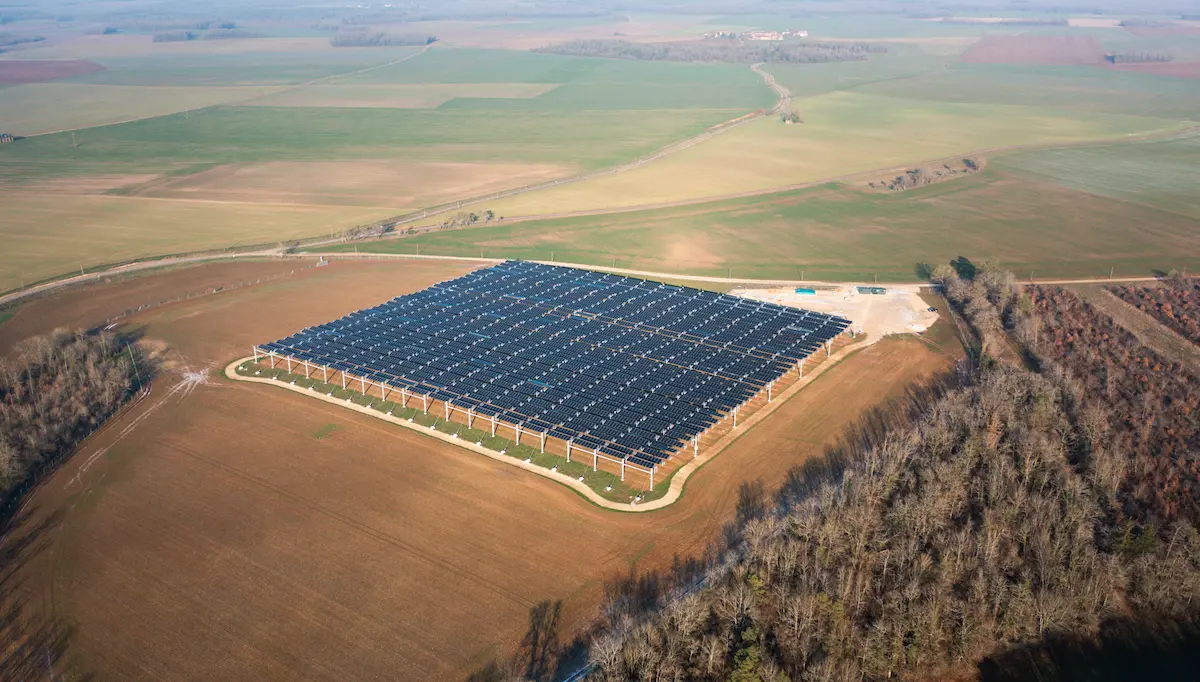
Shading system for ley farming
The key advantages of the agrivoltaic system

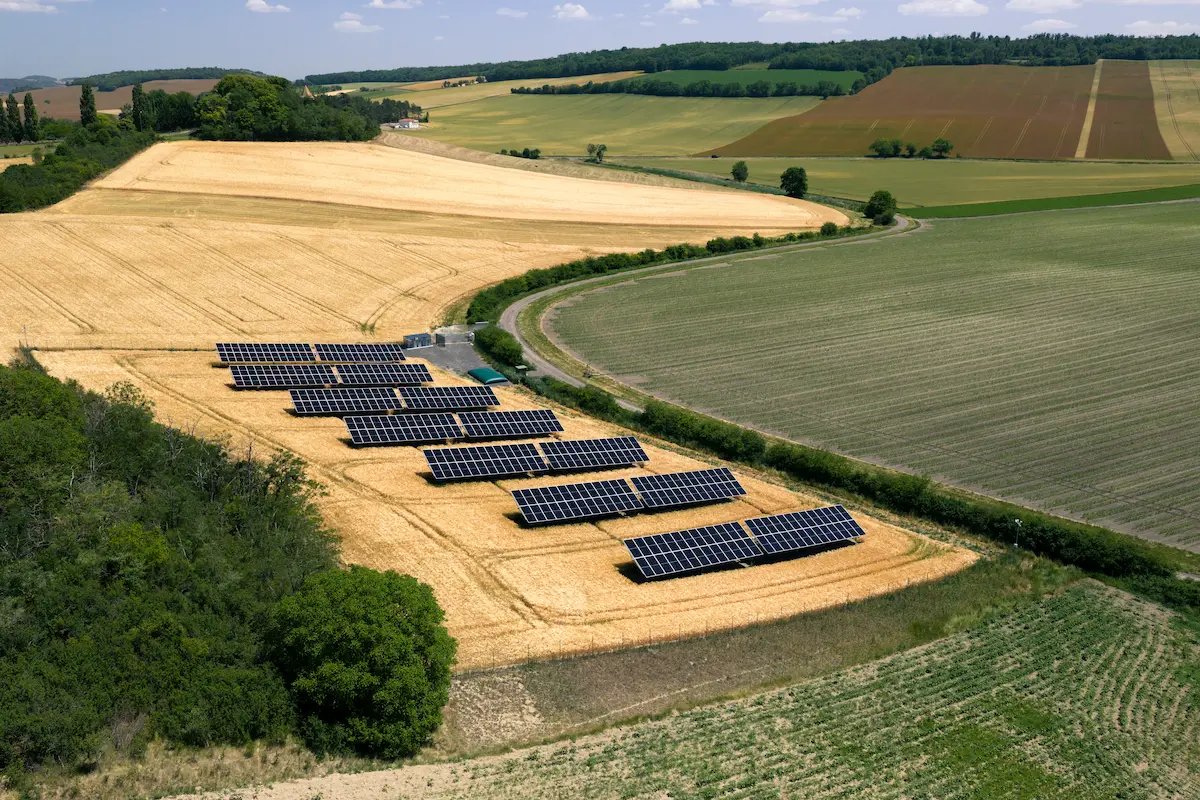
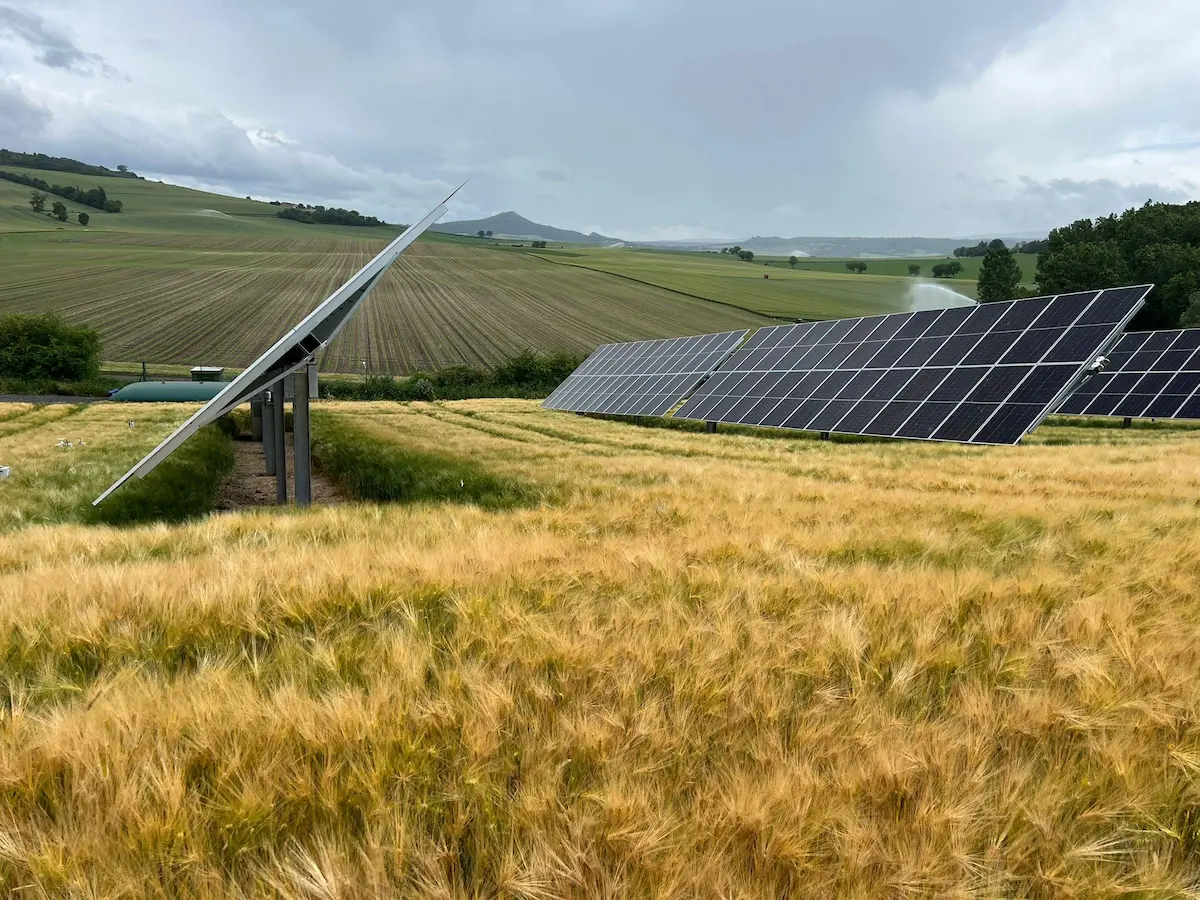
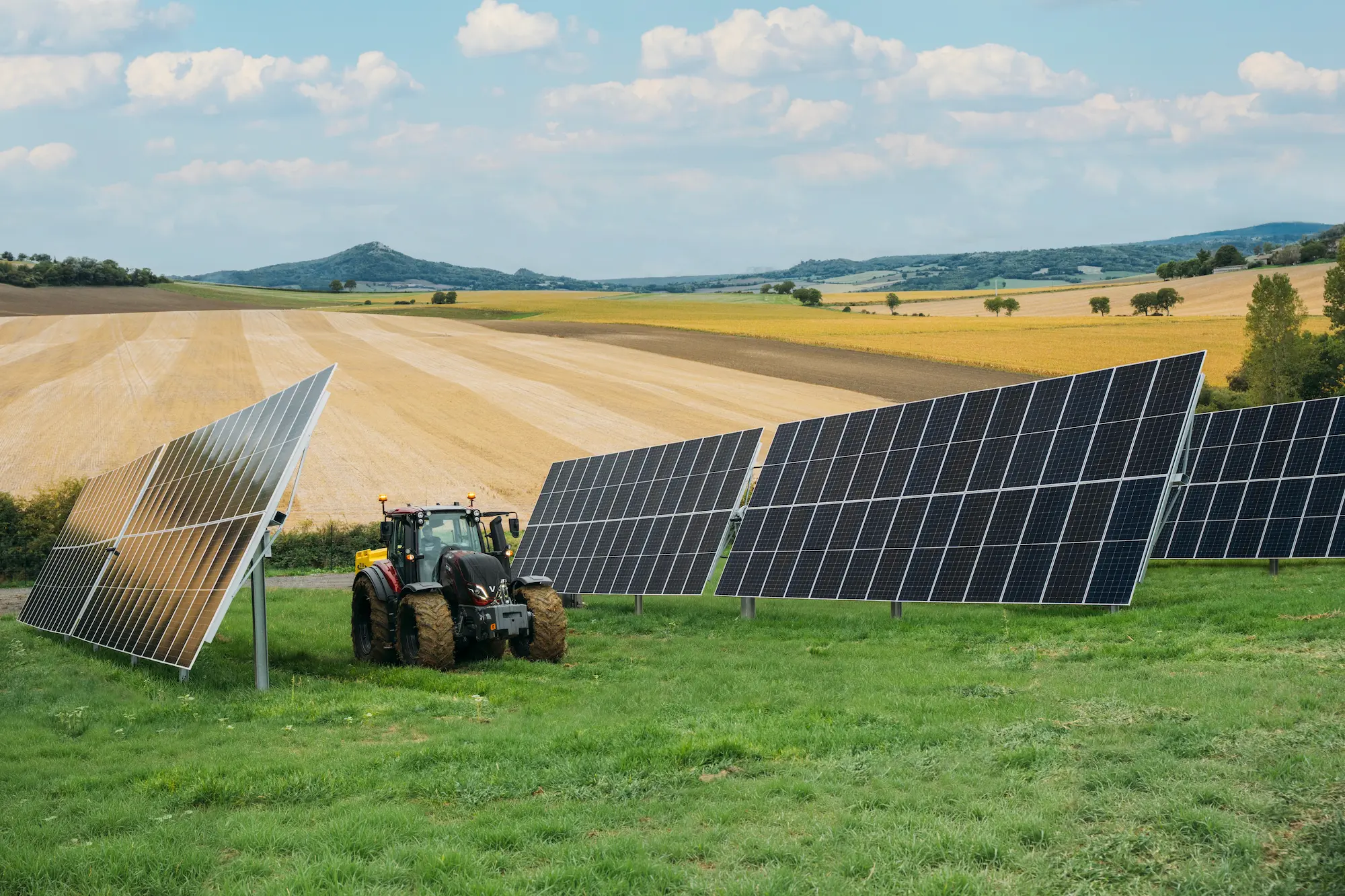
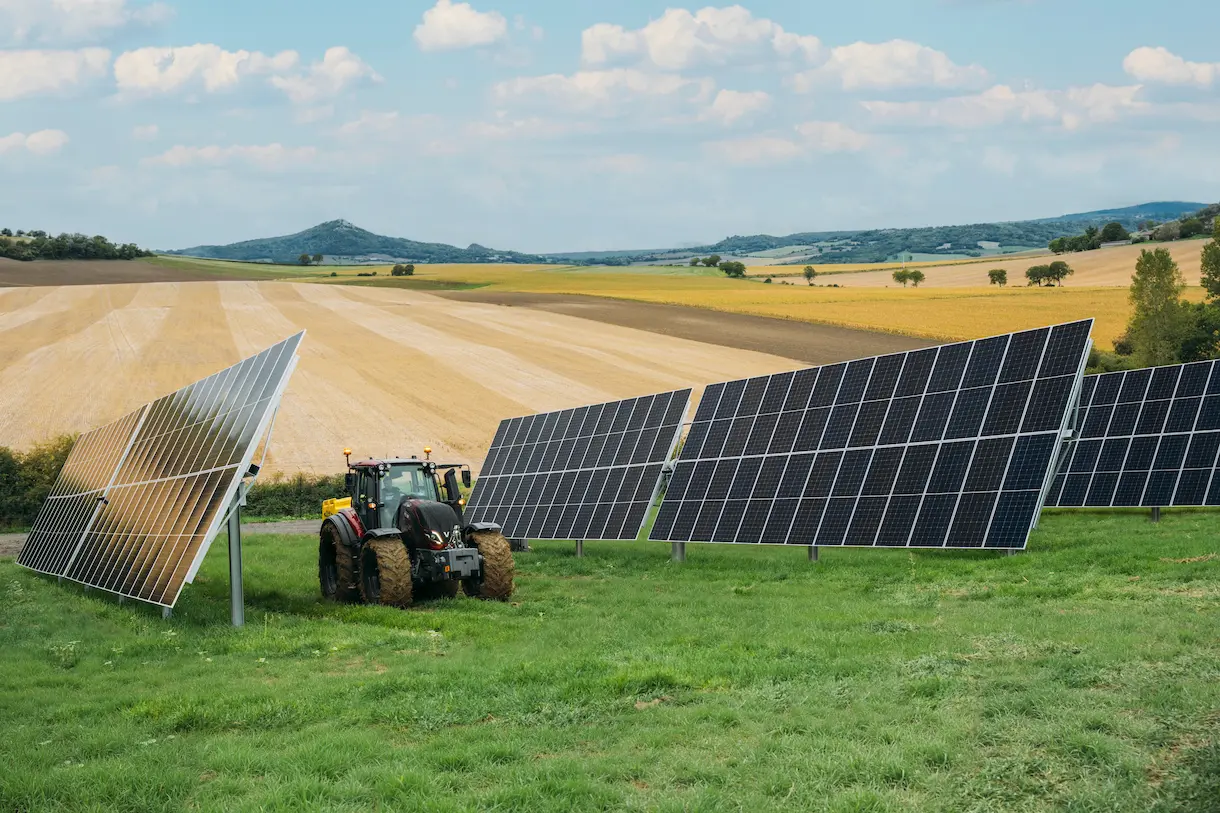
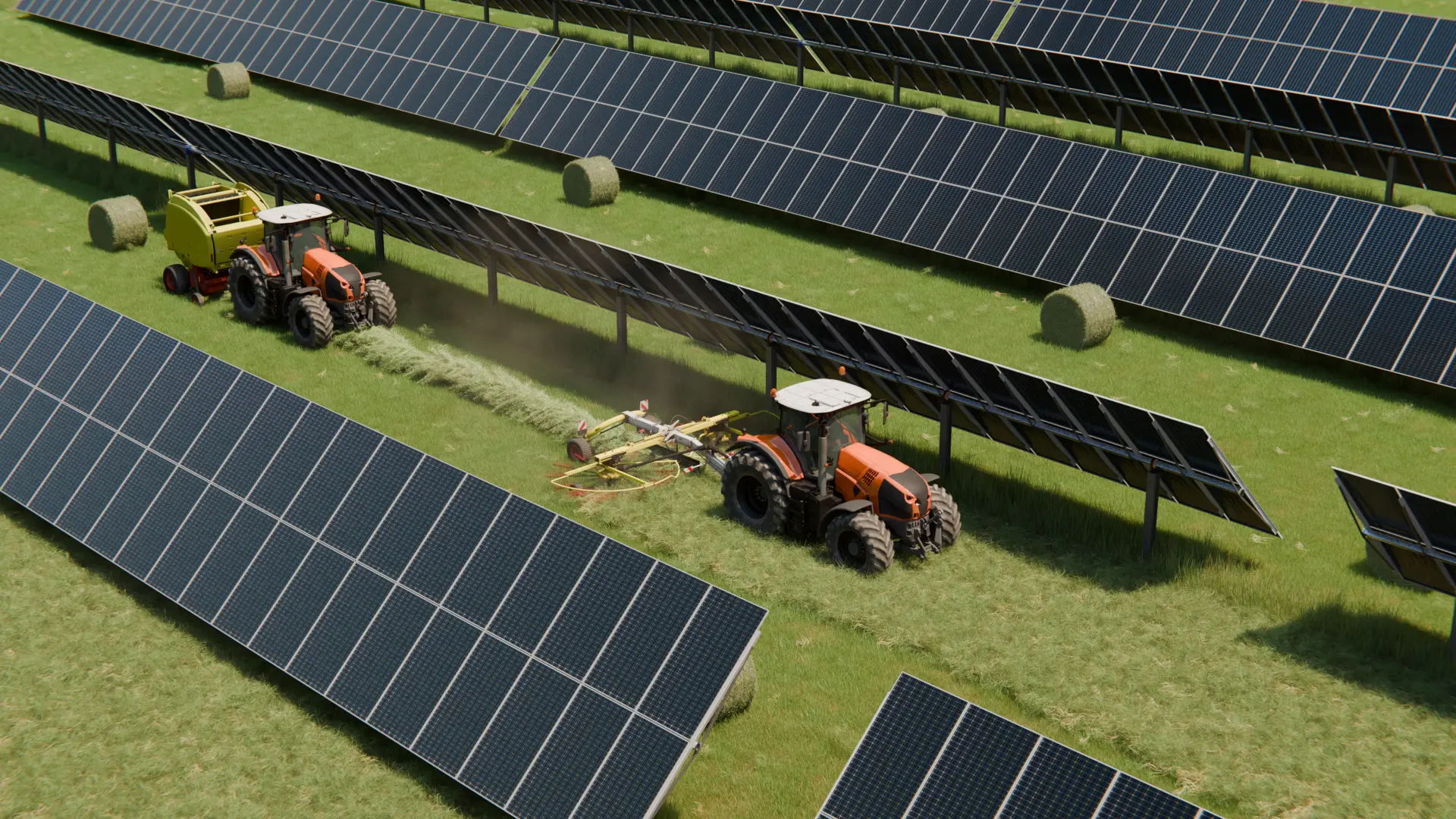
System adapted to livestock, forage crops and field crops, ideal for temporary meadows and leys

Prioritizes animal safety with a comfortable minimum height under panels, adapted to the type of livestock

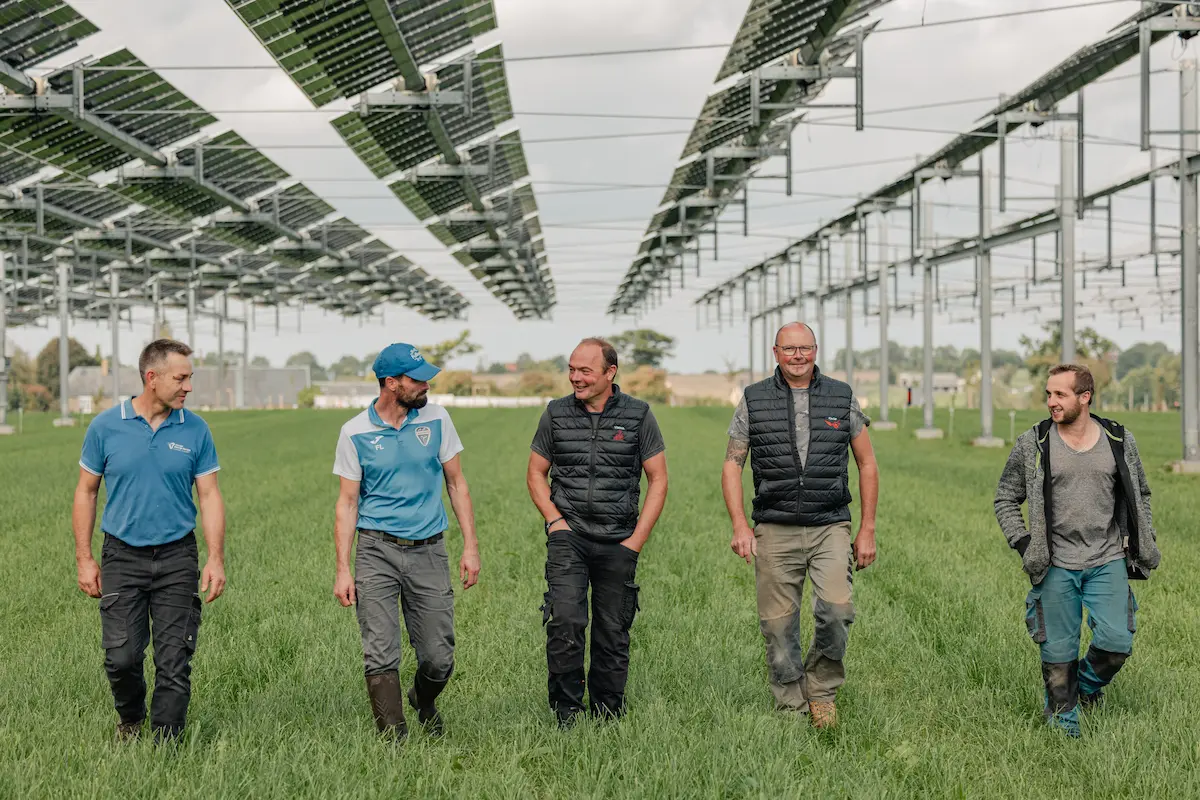
Compatible with agricultural machinery: about 15 meters high

Small footprint to allow livestock to move freely and minimize the impact on the pasture

Smart technology-based solar panels to meet the needs of crops and farmers.

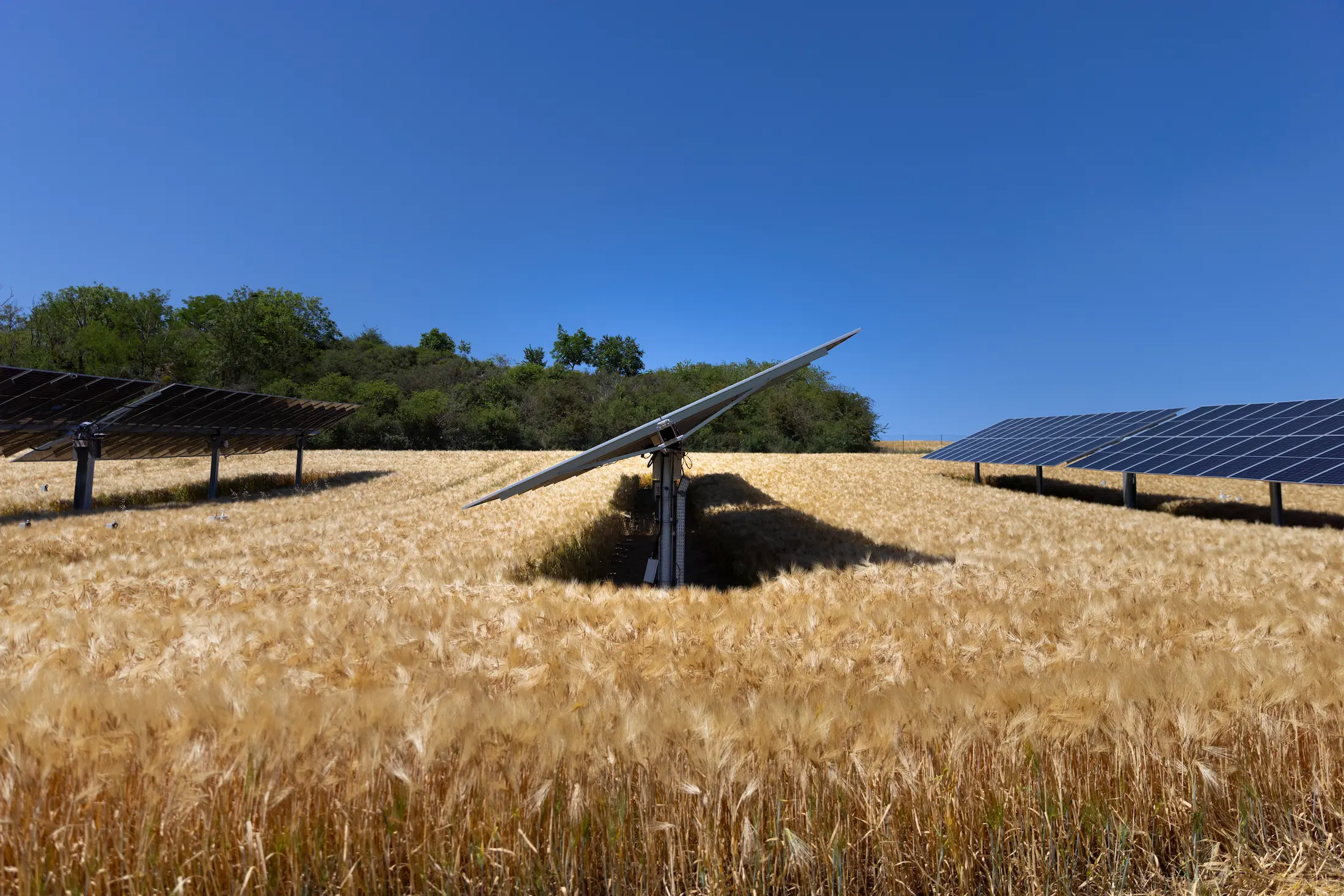
Dynamic panels generating partial and rotating shade that protects grasslands, crops and animals from climate hazards

Solution that guarantees a long-term income to the operator and owner of the land
Smart technology adapted to crops
- Automatic limitation of the height of the panels according to the type of crop and its stage of growth
- Maximum inclination of the automatic panels in case of heavy rain, to provide even water flow and limit soil erosion
- Optimized positioning of panels to facilitate farming operations
- Positioning of panels according to the agro-climatic needs of crops
The agronomic benefits partial and rotating shading
Partial, controlled shading helps to reduce certain climatic stresses: extreme heat, excessive light, water stress, spring frost and animal discomfort.
Through its experimental programme, TSE carries out reliable agronomic monitoring. Our experts measure, compare and discuss the benefits provided by the partial, rotating shading offered by dynamic agrivoltaics.


Results of our demonstration program
When properly configured and managed using appropriate agronomic practices, an agrivoltaic installation helps to improve the resilience of agricultural land in the face of climatic uncertainties.
TSE conducts its trials over periods of between 3 and 9 years. The initial published results indicate particularly positive effects over several years.
Let's talk about your project
Our agricultural partners






Why choose us

Expertise

Proximity

Growth

Presence

Commitment

Innovation
FAQs
The shade for temporary meadows is suitable for low and medium crops under 1m60 in height and forage crops. It is also compatible with sheep, goat and cattle farms in the context of rotating pastures.
TSE takes care of maintaining the areas under the panels and around the posts.
Our panels automatically tilt to a maximum angle in heavy rain to allow crops to benefit from the water. This feature provides a homogeneous flow of water on the plot and limits soil erosion.
We prefer piled foundations to support our solar panel arrays. Metal stakes are driven directly into the ground tounder the panels in case of climatic hazards.
We plan preventive maintenance operations between two crops, in consultation with the farmer. If part of the crop is impacted by a necessary intervention during cultivation, then we will compensate the farmer accordingly.